Jay Metal’s manufacturing operations are organised around a connected production flow, enabling in-house management of critical processes from casting and machining through finishing, inspection, and dispatch.
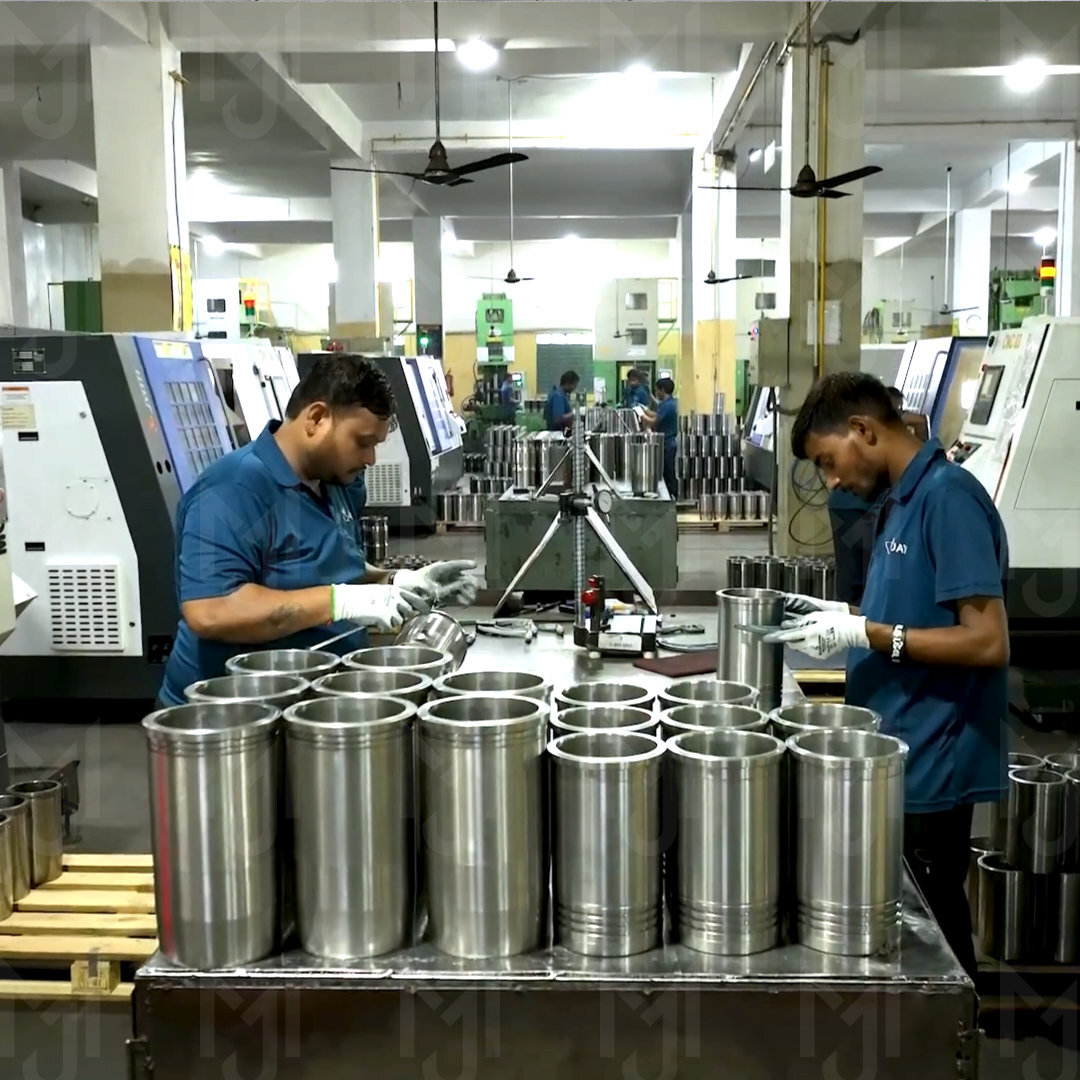
Bringing key manufacturing stages under one system gives Jay Metal closer control over process consistency, production planning, quality, and turnaround. Each operation is supported by specialised teams, defined process controls, and equipment selected specifically for the requirements of cylinder liner manufacturing.
Jay Metal’s manufacturing setup has evolved to support both product breadth and production scale. Foundry, metallurgical control, machining, finishing, inspection, cleaning, and packing operate as coordinated functions, helping maintain continuity and accountability throughout the manufacturing cycle.
With an annual production capacity of 1.5 million+ cylinder liners and sleeves and a 350+ skilled workforce, the facility is structured to handle a wide variety of liner designs, dimensions, and finishing requirements while maintaining repeatability across production volumes.
Quality control is integrated throughout the process rather than confined to final inspection. Material characteristics, dimensional accuracy, surface condition, and process consistency are monitored through defined checks and verification systems, supported by quality management systems certified to IATF 16949 and ISO 9001.
Continuous investment in machinery, process capability, inspection systems, and technical skills has enabled Jay Metal to expand rapidly while keeping critical manufacturing knowledge in-house. This gives the company greater flexibility to respond to customer-specific requirements, manage changing volumes, and support both established product references and new development needs.
The result is a manufacturing environment built not simply around capacity, but around control, consistency, and dependable execution from foundry to final dispatch.
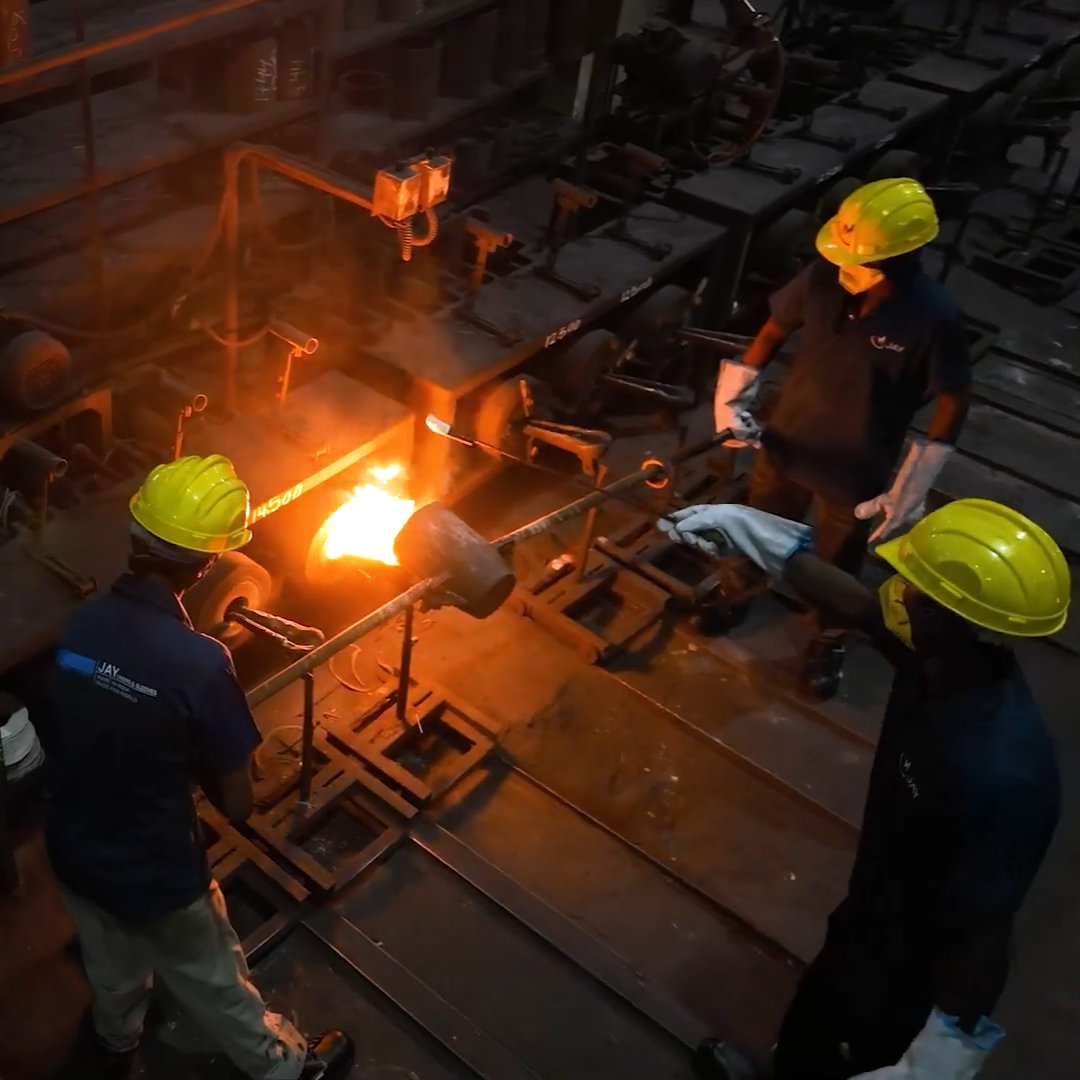
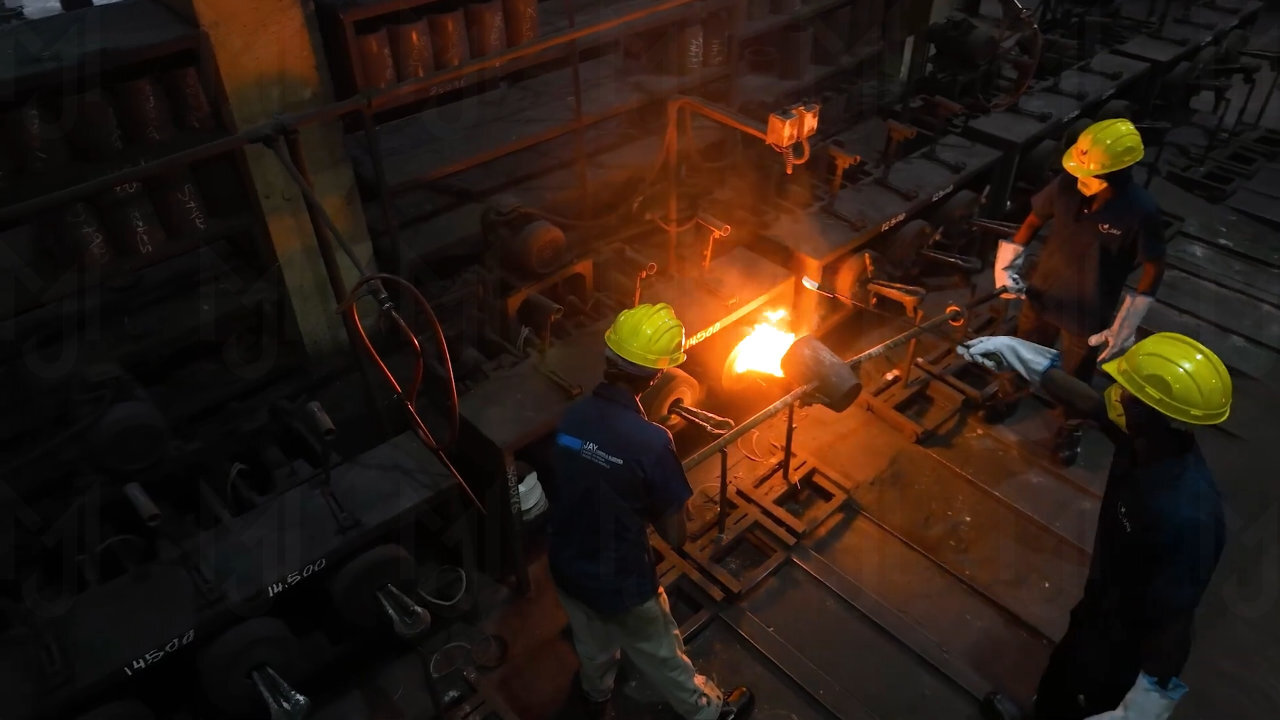
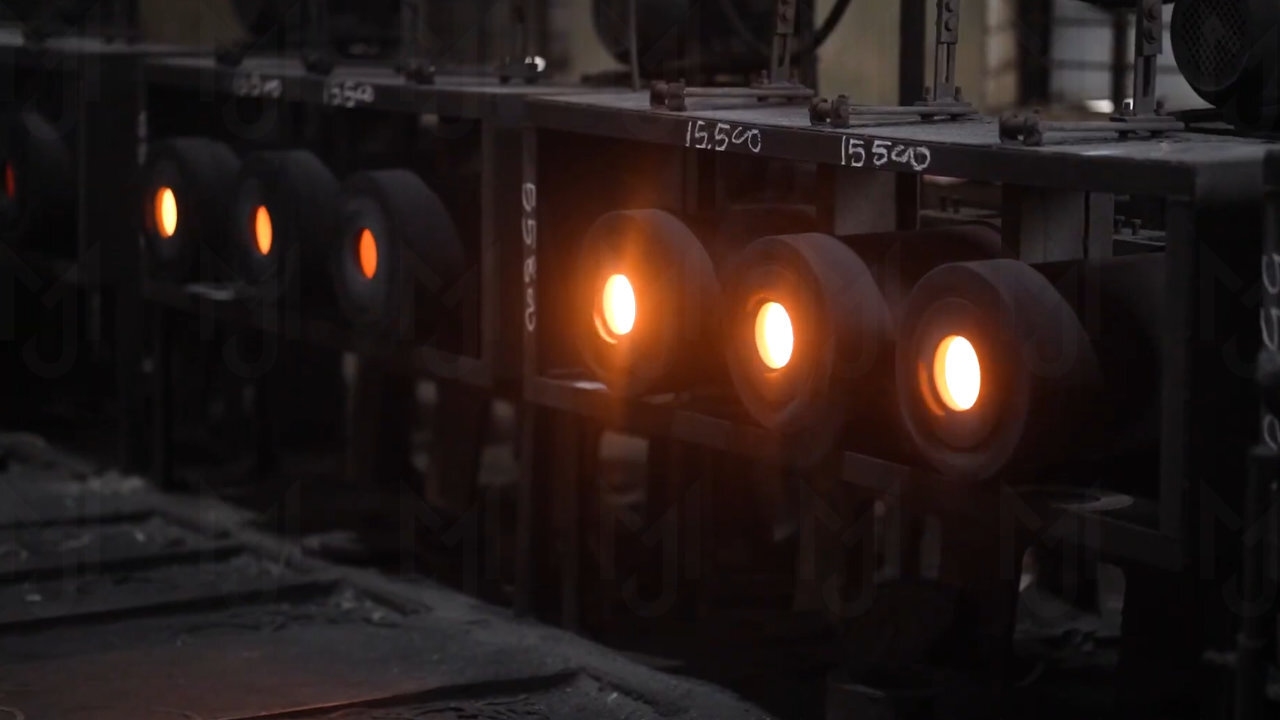
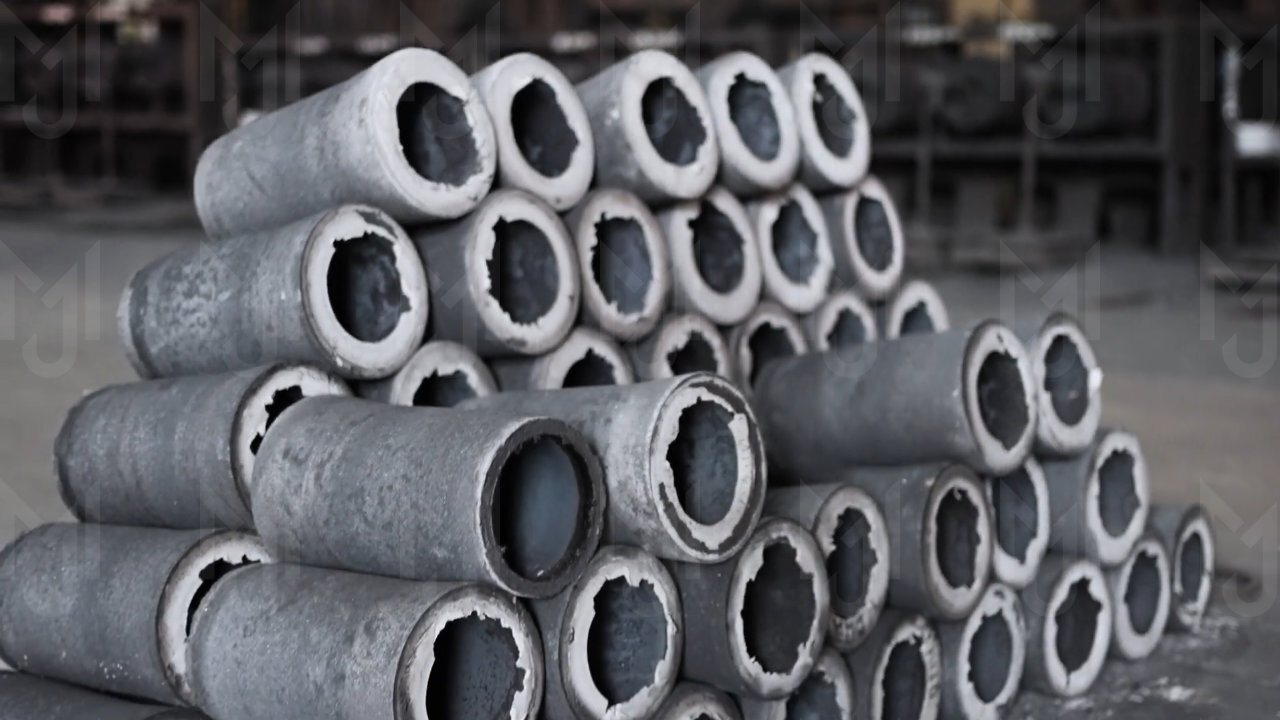
Jay Metal’s in-house foundry combines controlled melting with centrifugal casting to establish the material integrity, consistency, and dimensional foundation required for reliable cylinder liner production.
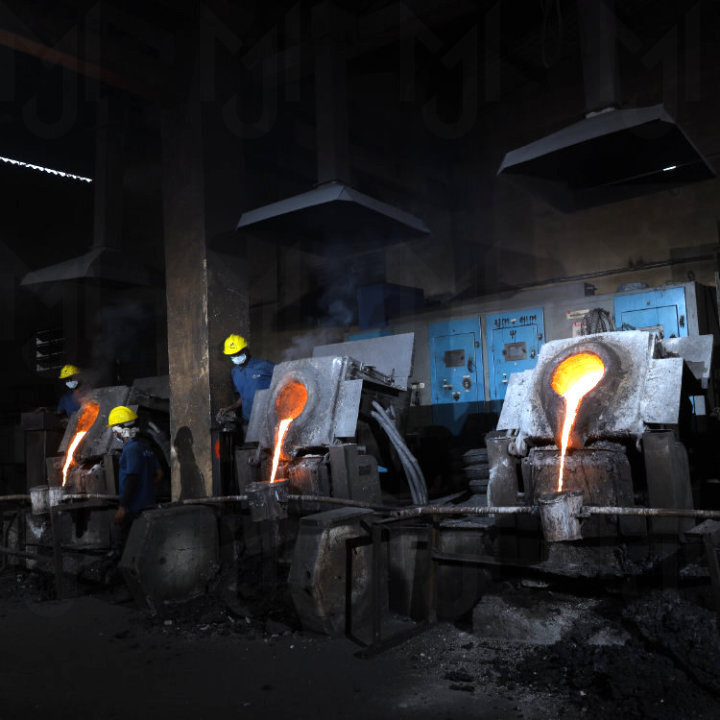
Our 25,670 sq. ft. foundry houses five induction furnaces with a combined melting capacity of 850 tonnes per month, providing the scale and flexibility required to support a broad range of cylinder liner and sleeve specifications.
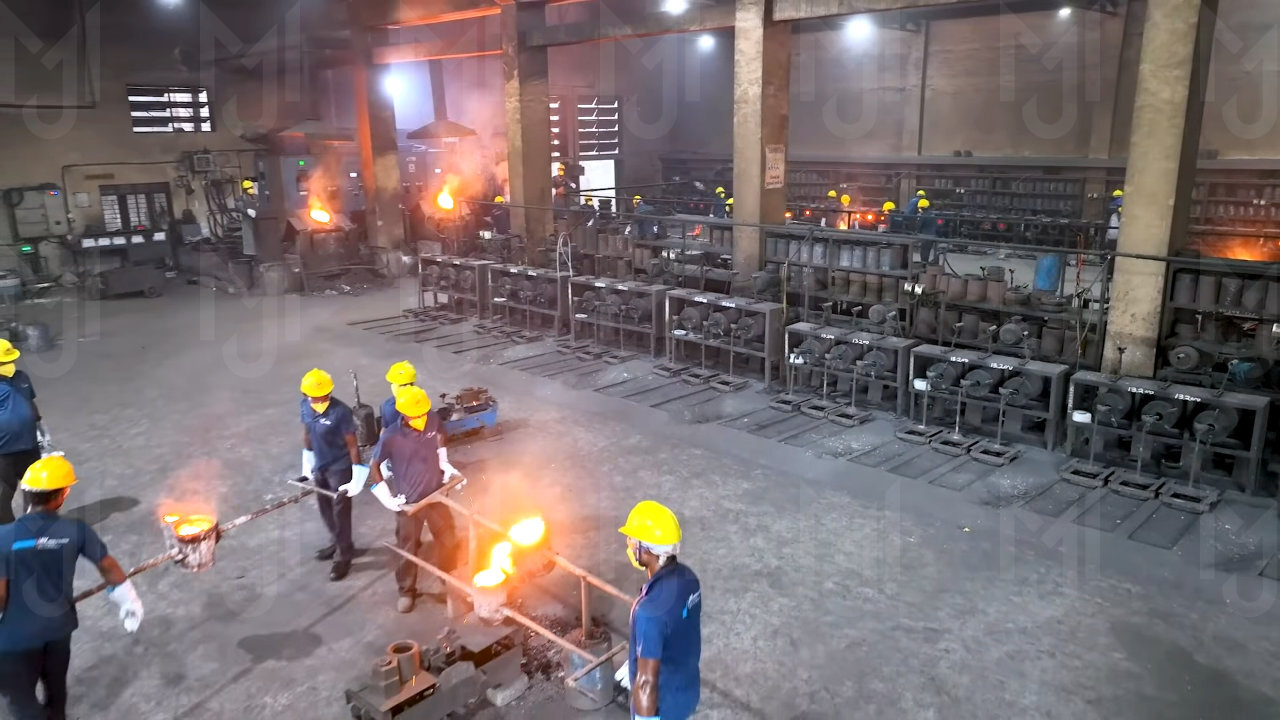
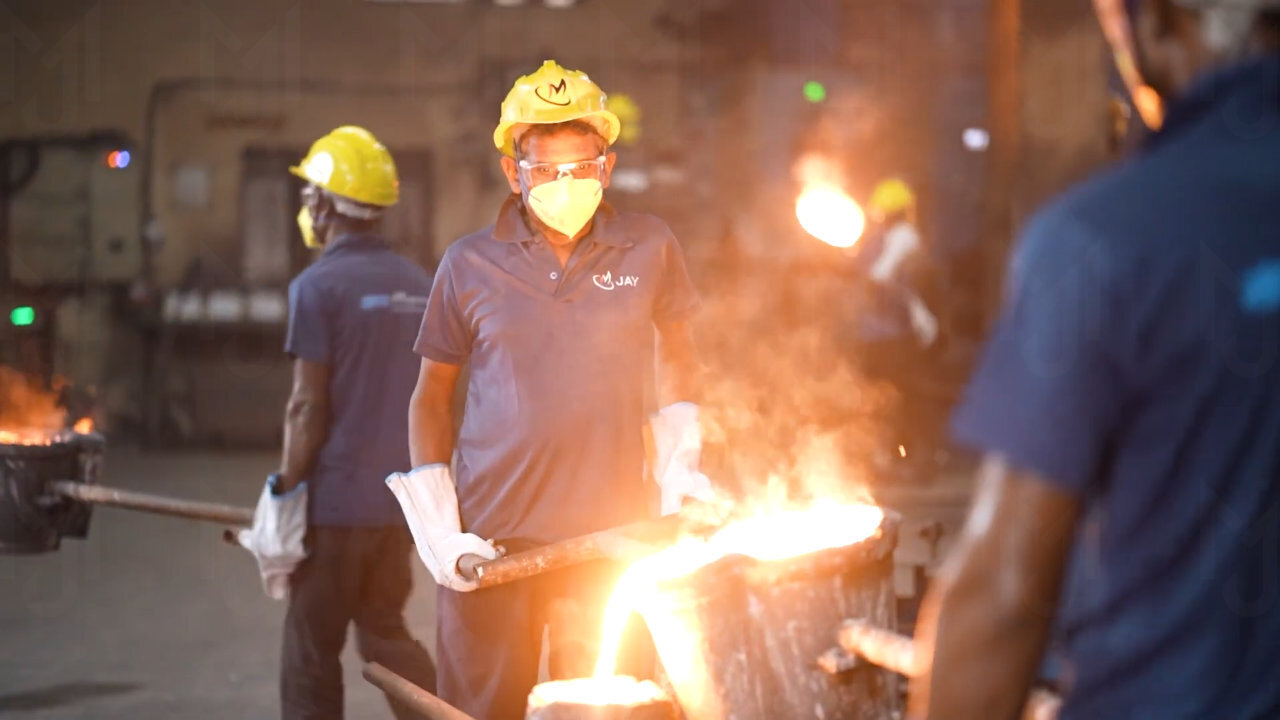
During centrifugal casting, key process parameters such as molten metal temperature and die RPM are controlled to support consistent casting quality. These parameters influence how the metal fills and solidifies within the rotating die, making them critical to repeatability across liner sizes and production batches.
Material control continues through chemical composition, microstructure, and hardness verification before castings move into machining. Keeping these stages closely connected allows Jay Metal to maintain tighter control from raw material and melt preparation through to the finished casting.
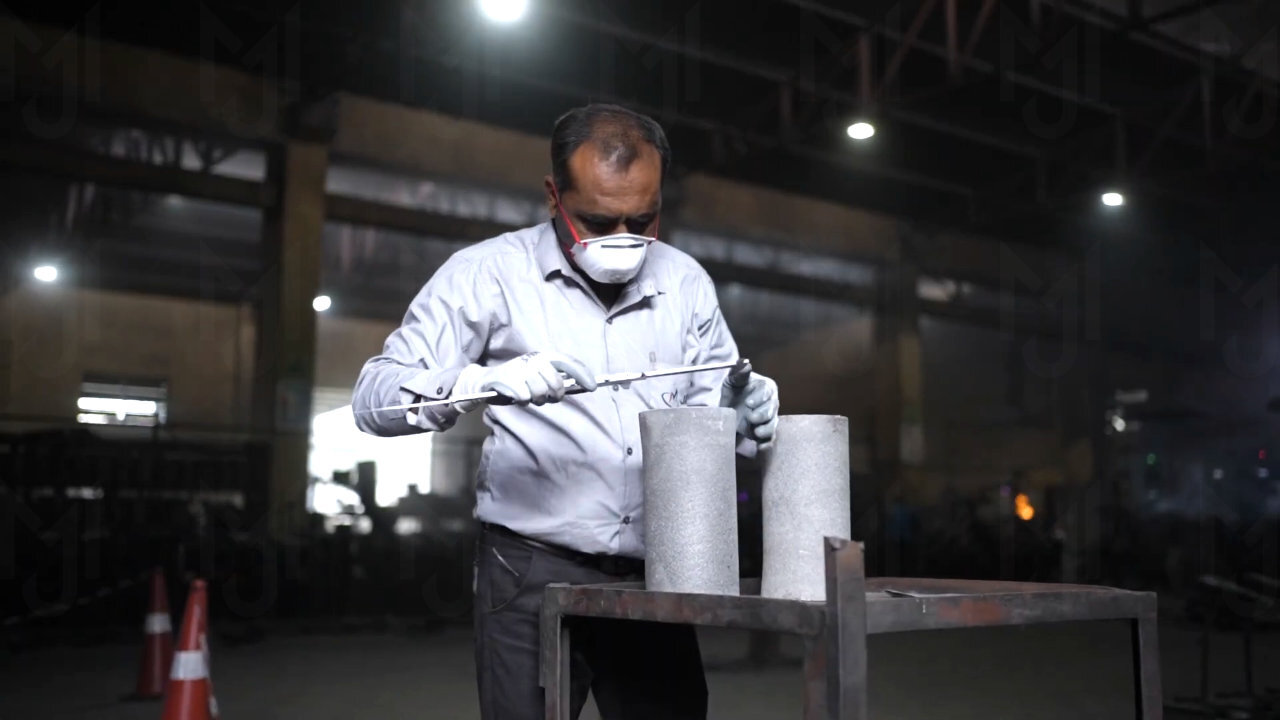
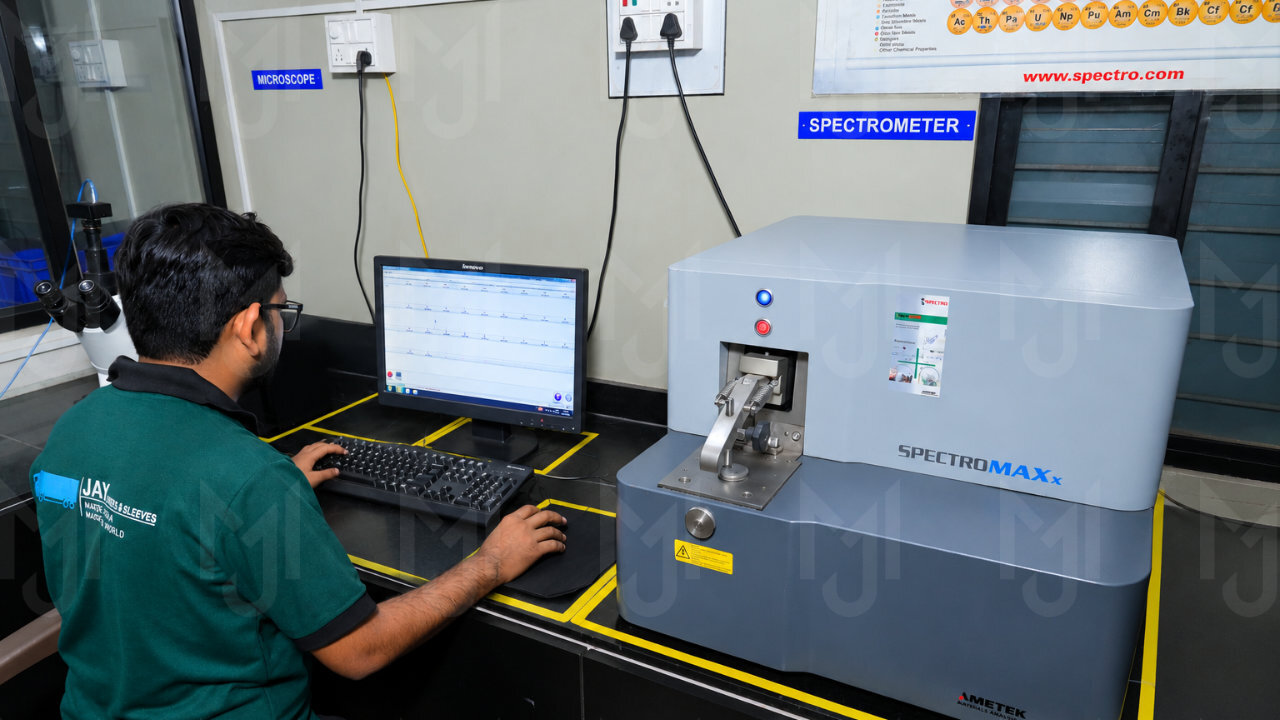
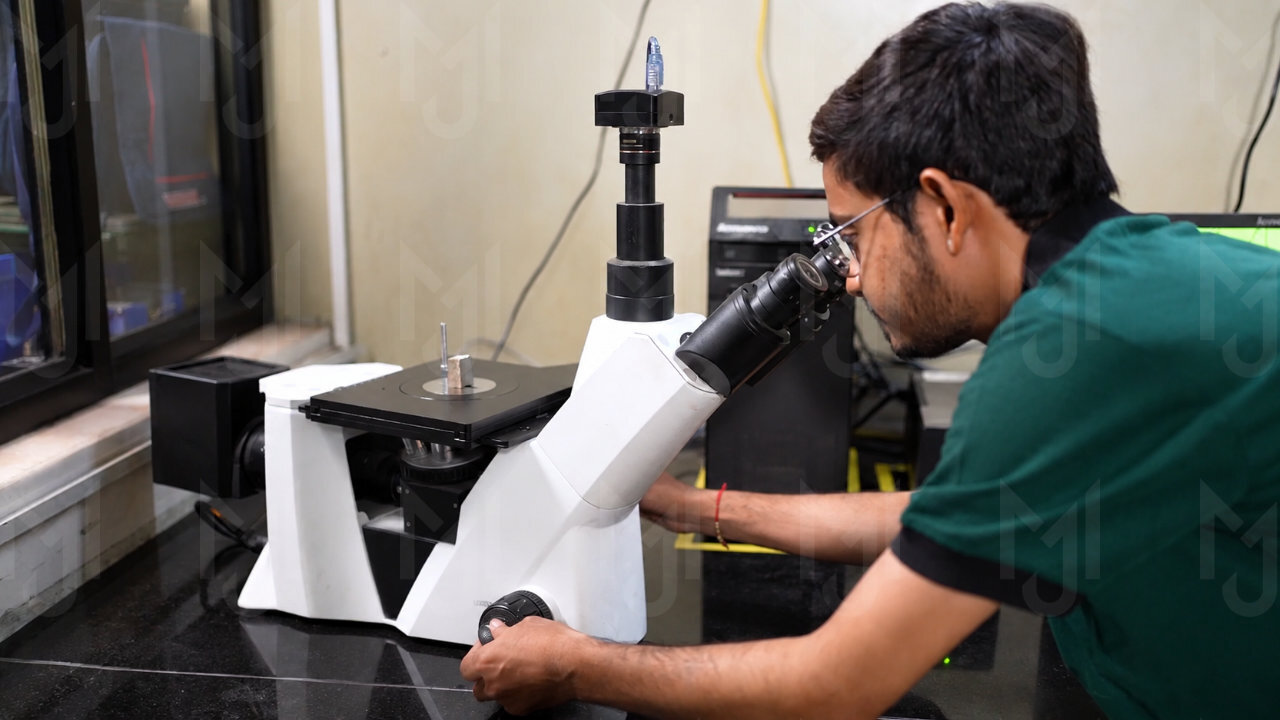
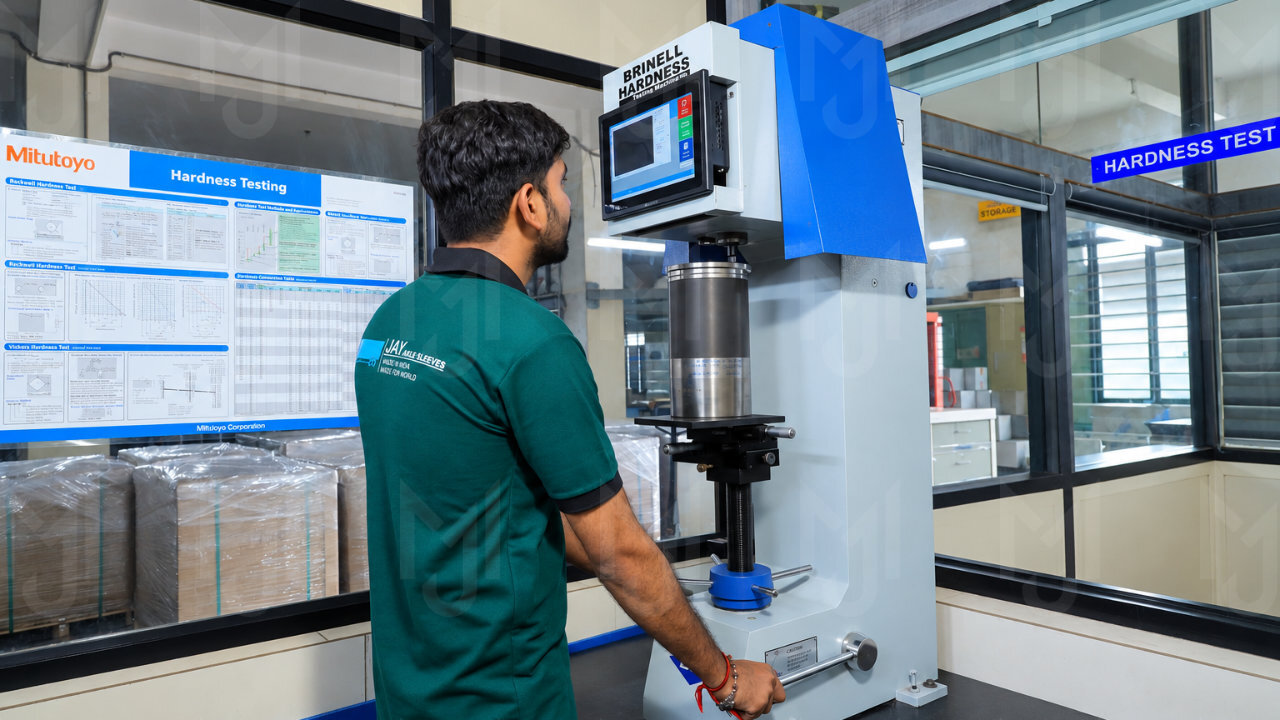
The in-house metallurgical laboratory verifies critical material characteristics through chemical, microstructural, and hardness analyses before components progress further into production.
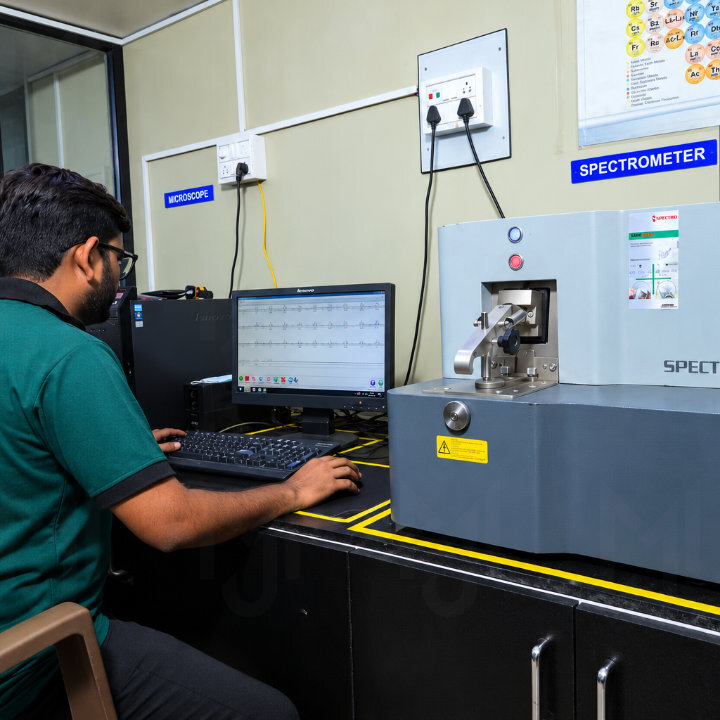
Chemical composition is monitored using spectrometric analysis to help maintain the alloy balance required for cylinder liner durability and consistency. Microstructure is examined under magnification to assess graphite formation and matrix condition, while hardness testing provides an additional check on material condition and suitability.
These checks help Jay Metal confirm that the material entering downstream machining and finishing stages remains within defined requirements, reducing variation and supporting more consistent product performance across batches.
By keeping metallurgical verification close to the foundry, Jay Metal can identify deviations early and maintain stronger control over one of the most important foundations of cylinder liner quality: the material itself.
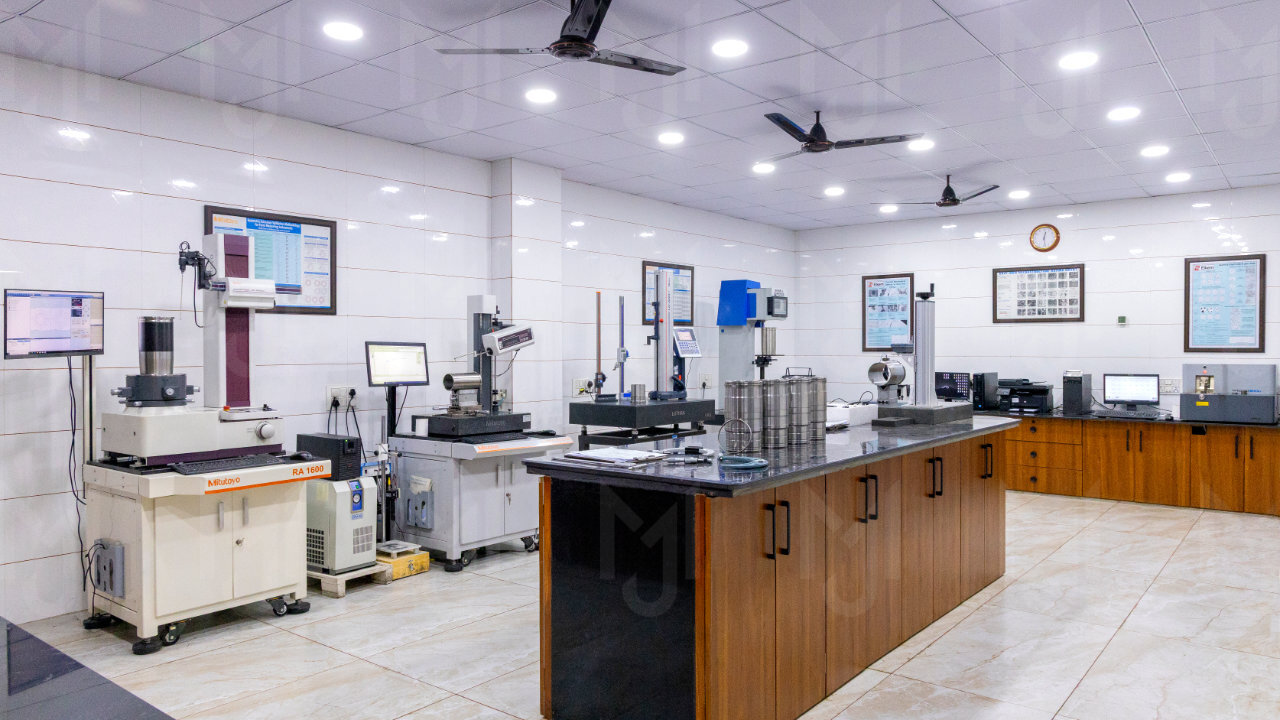
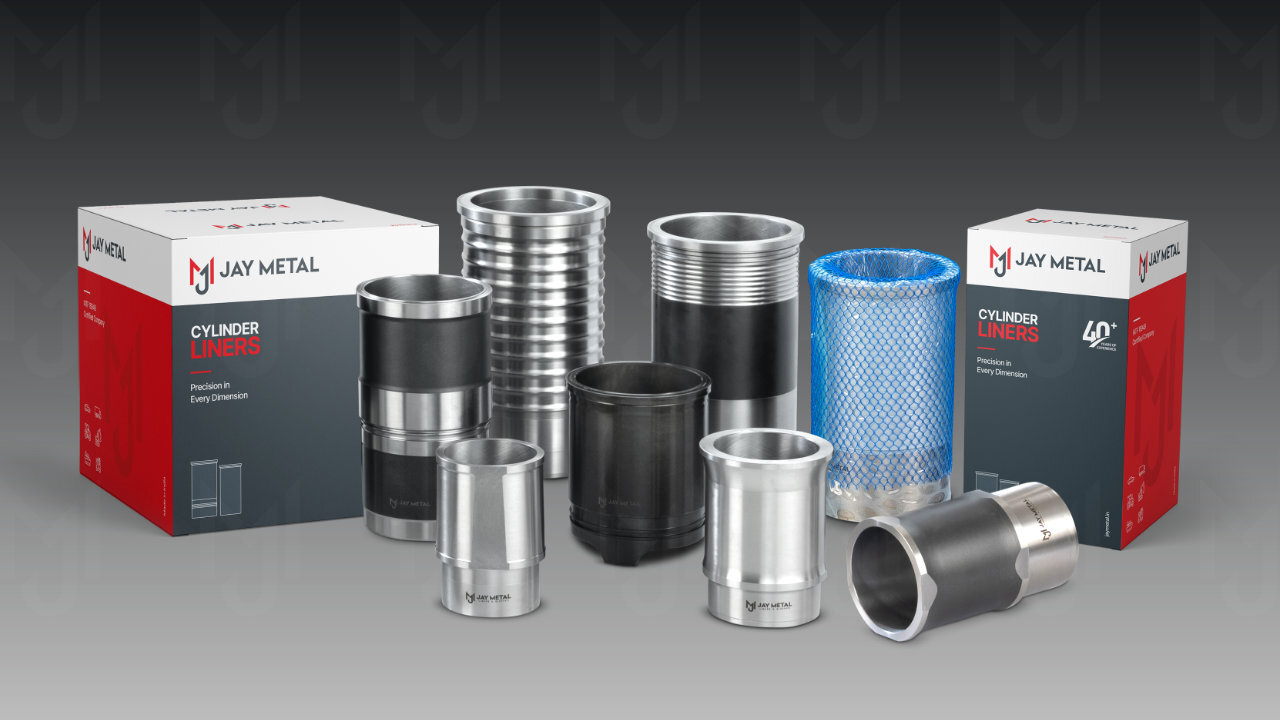
Our state-of-the-art machining facility integrates CNC turning, boring, grinding, honing, and finishing processes to achieve the precise dimensions and surface characteristics required for various cylinder liner specifications.
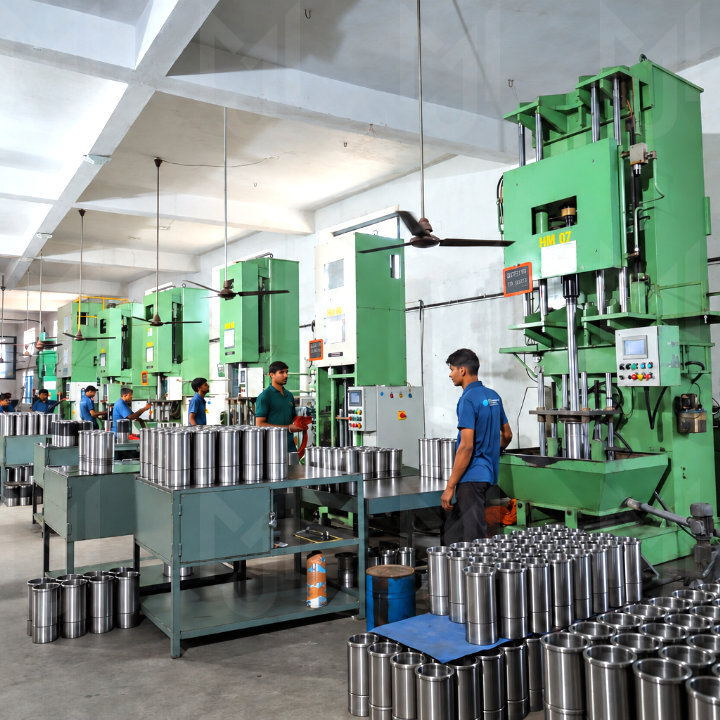
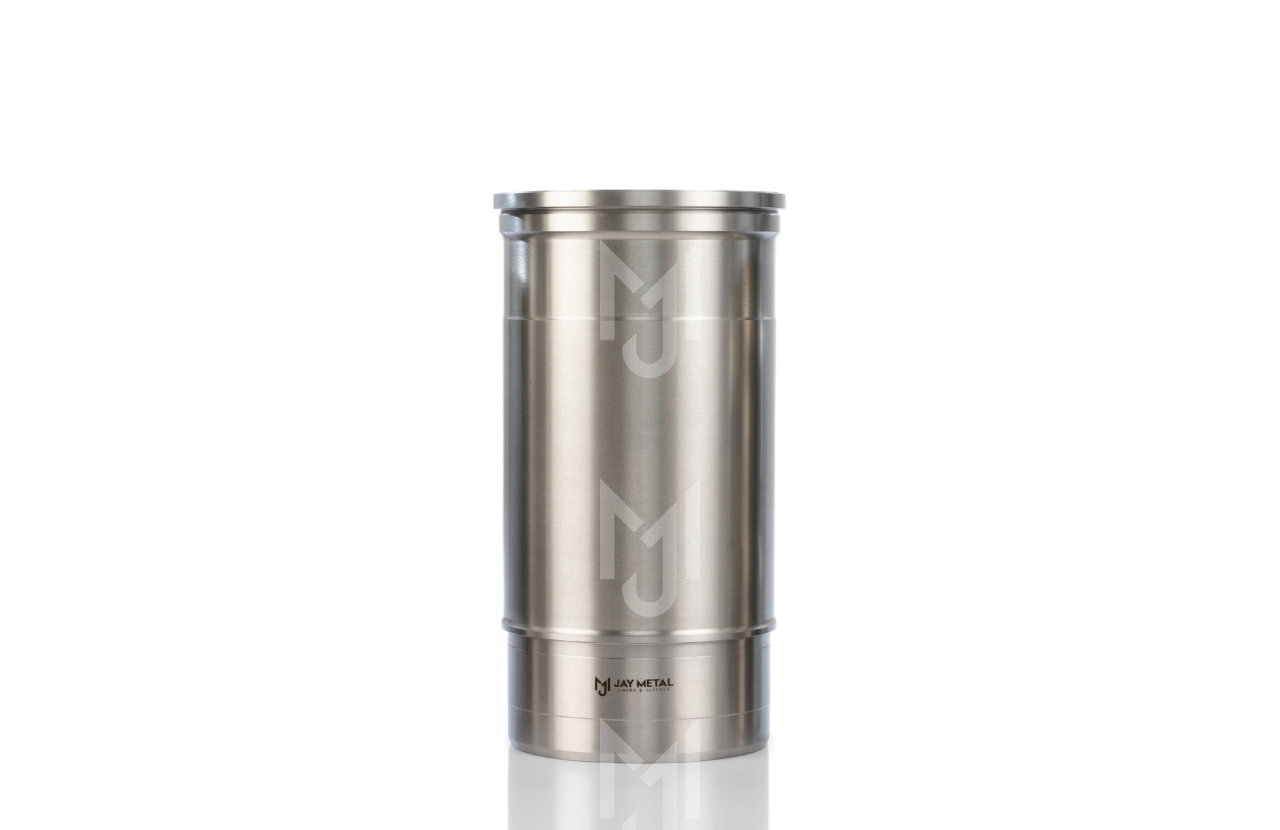
Spread across 46,938 sq. ft., the machining area is equipped to handle a broad range of cylinder liner and sleeve sizes, profiles, and finishing conditions. CNC VTL, CNC turning, boring, and centerless grinding operations establish critical dimensions and geometry, while plateau honing develops the finished bore surface required for controlled piston-ring interaction and oil retention.
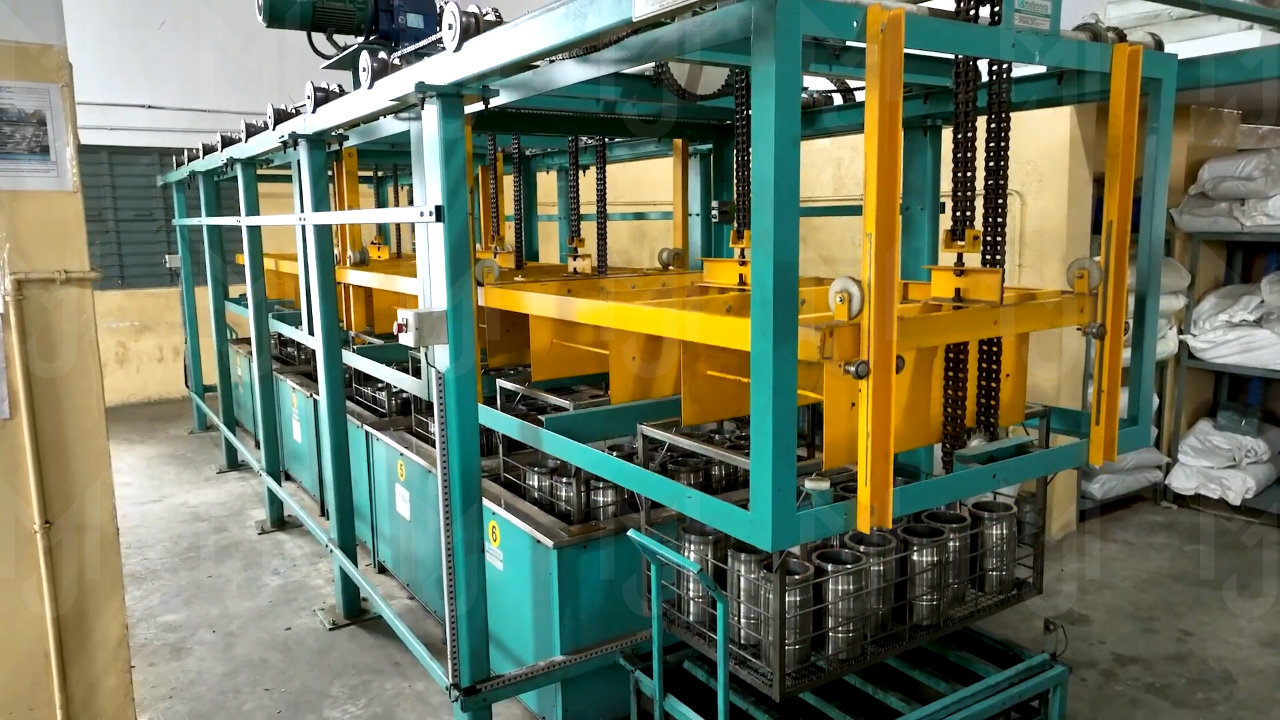
Heat treatment and phosphating facilities further support application-specific finishing requirements, allowing multiple manufacturing stages to remain closely coordinated within the same production environment.
By keeping machining and finishing in-house, Jay Metal maintains closer control over process continuity, dimensional consistency, and production scheduling across both established product references and customer-specific requirements.
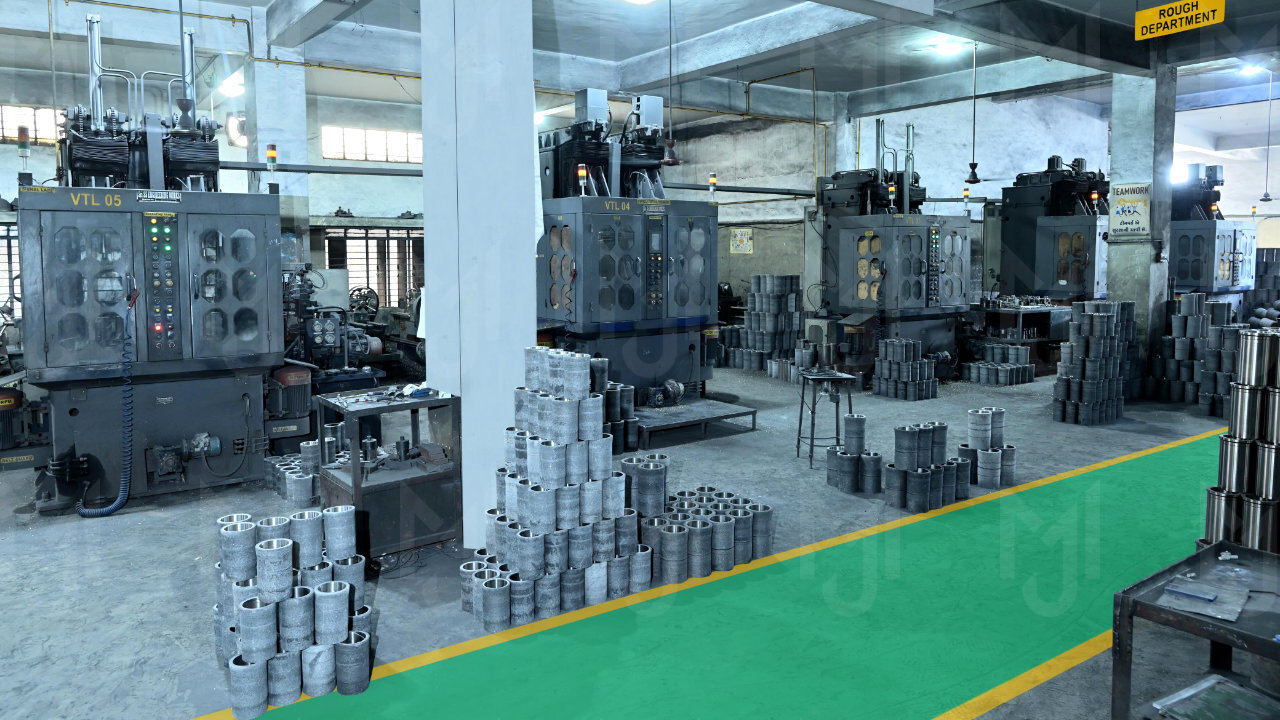
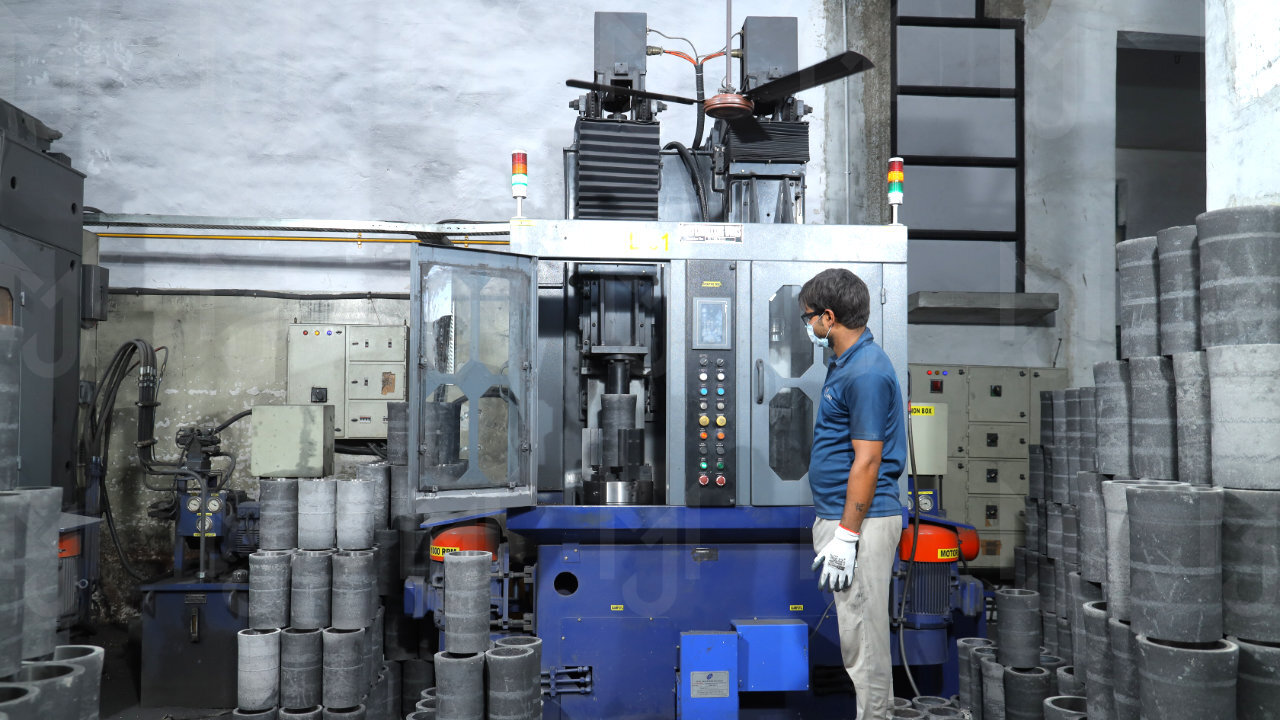
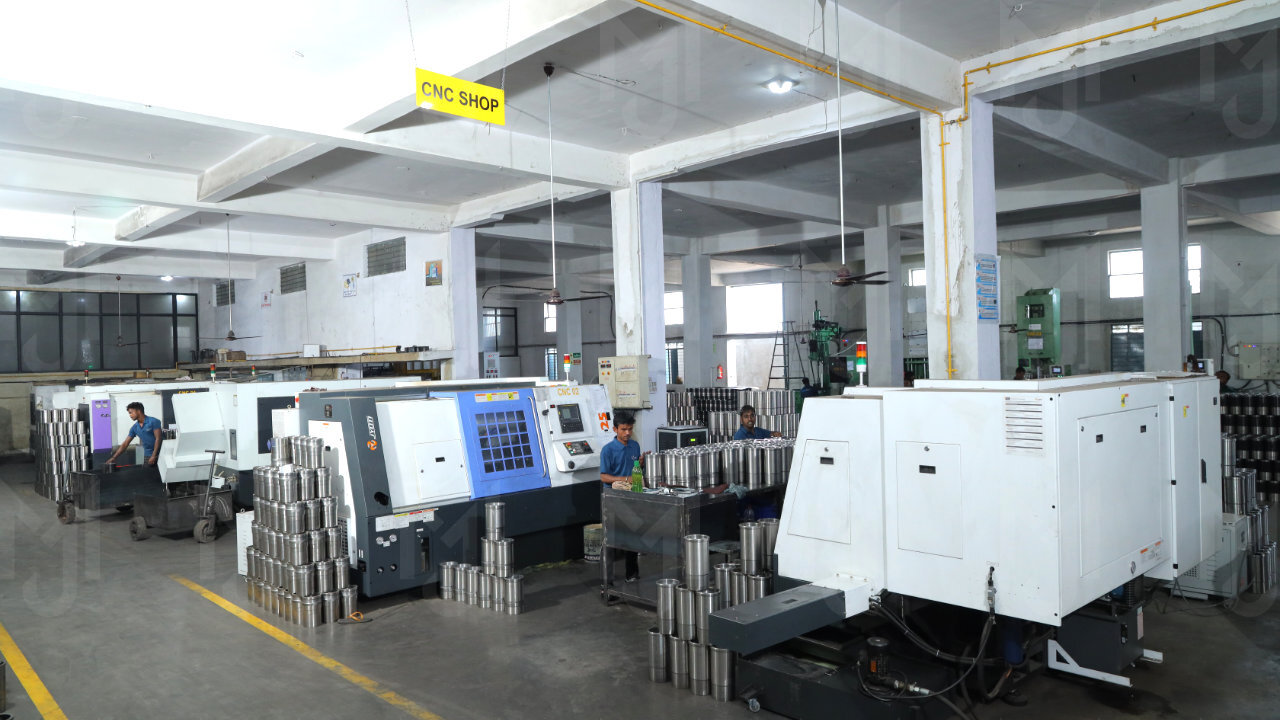
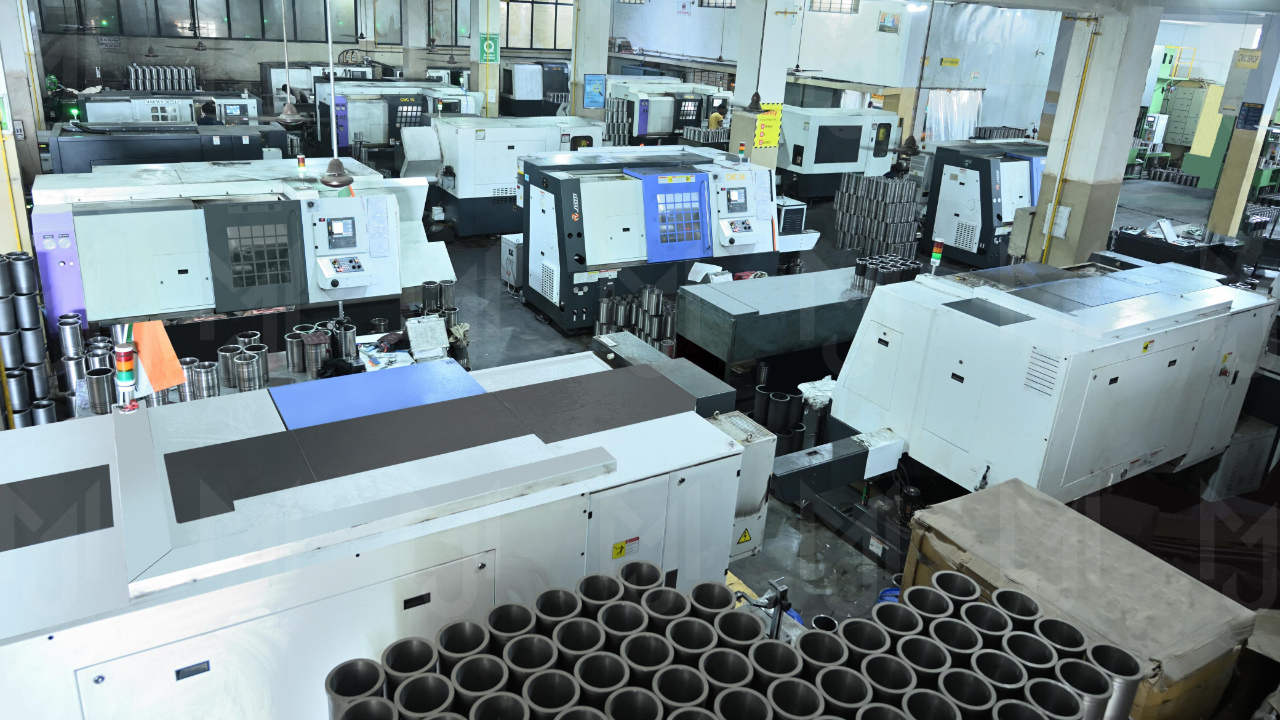
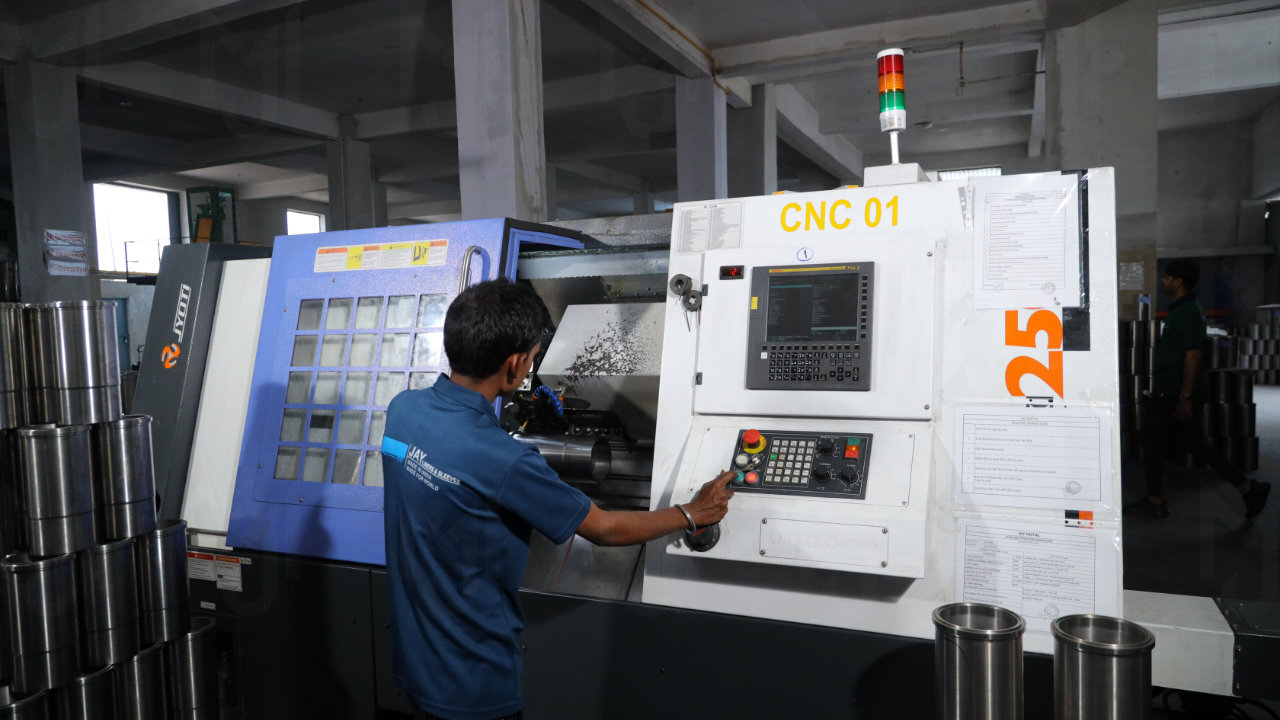
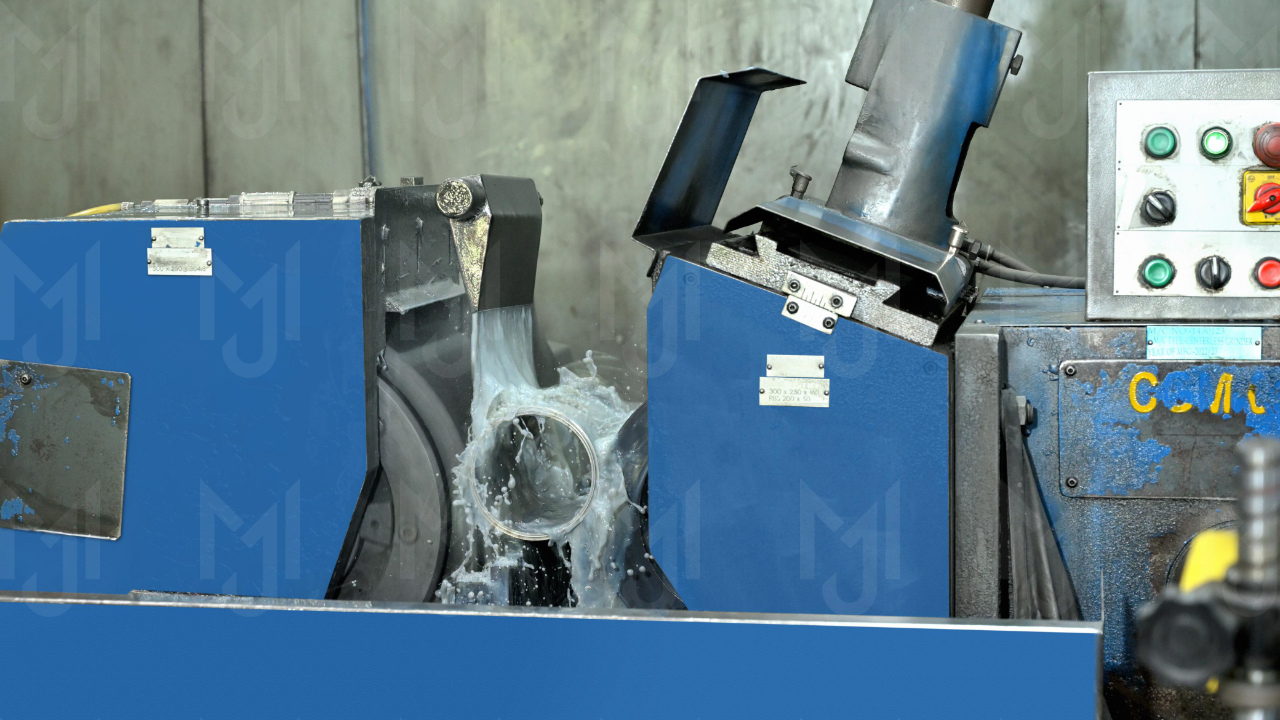
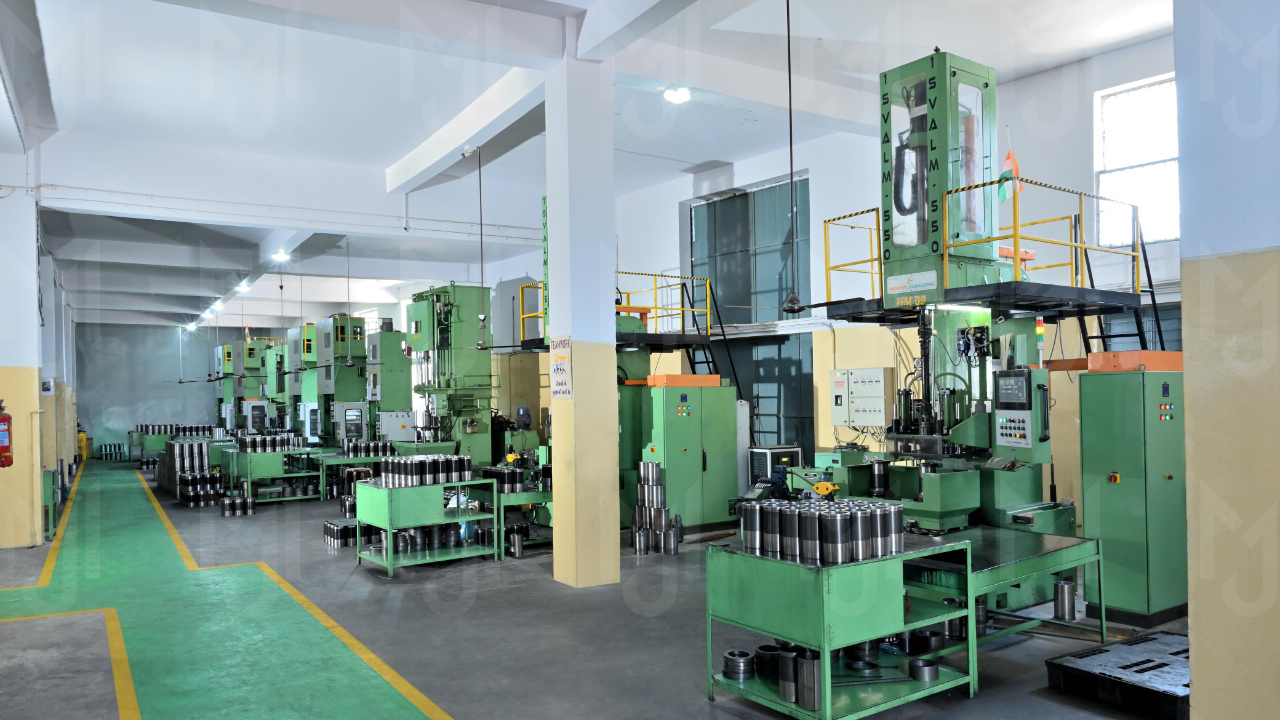
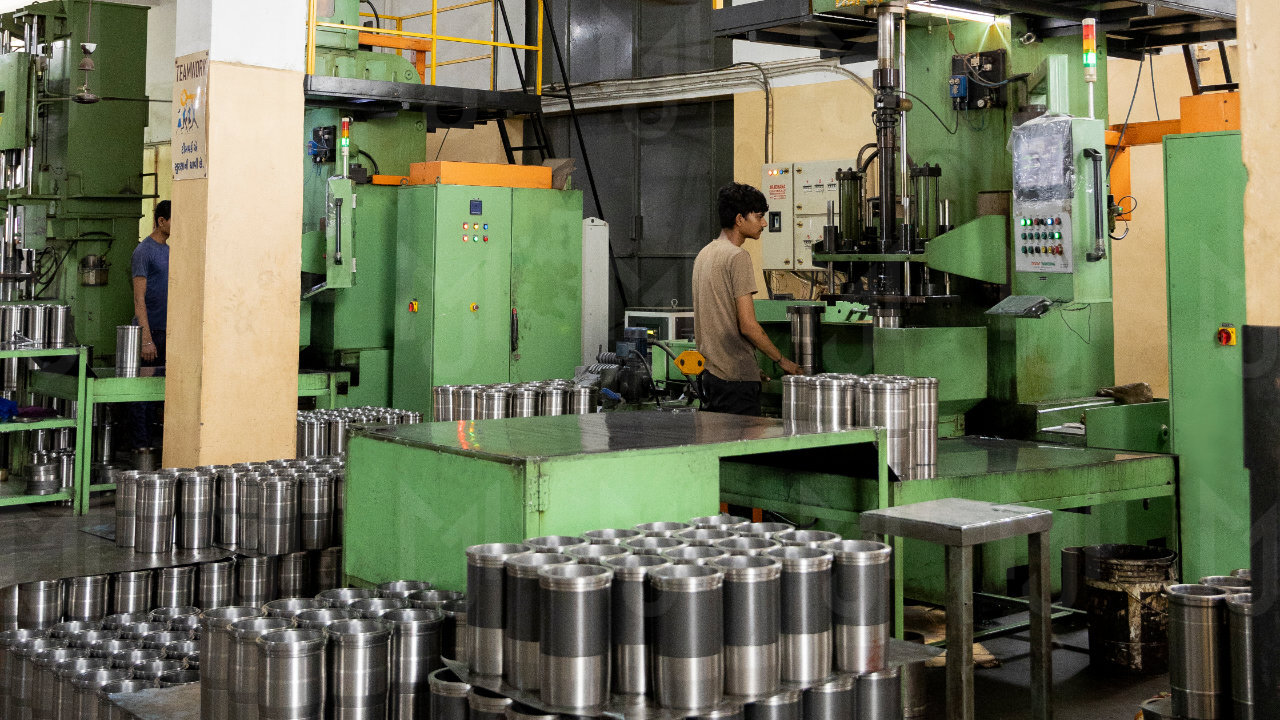
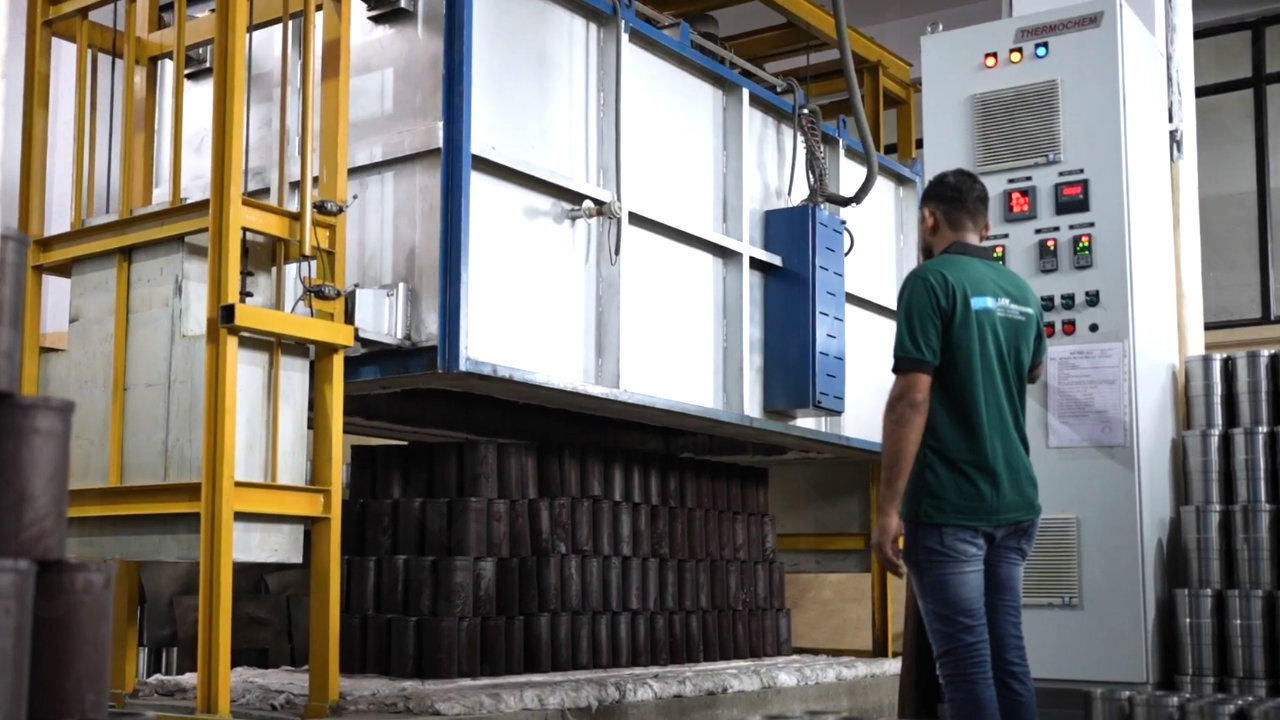
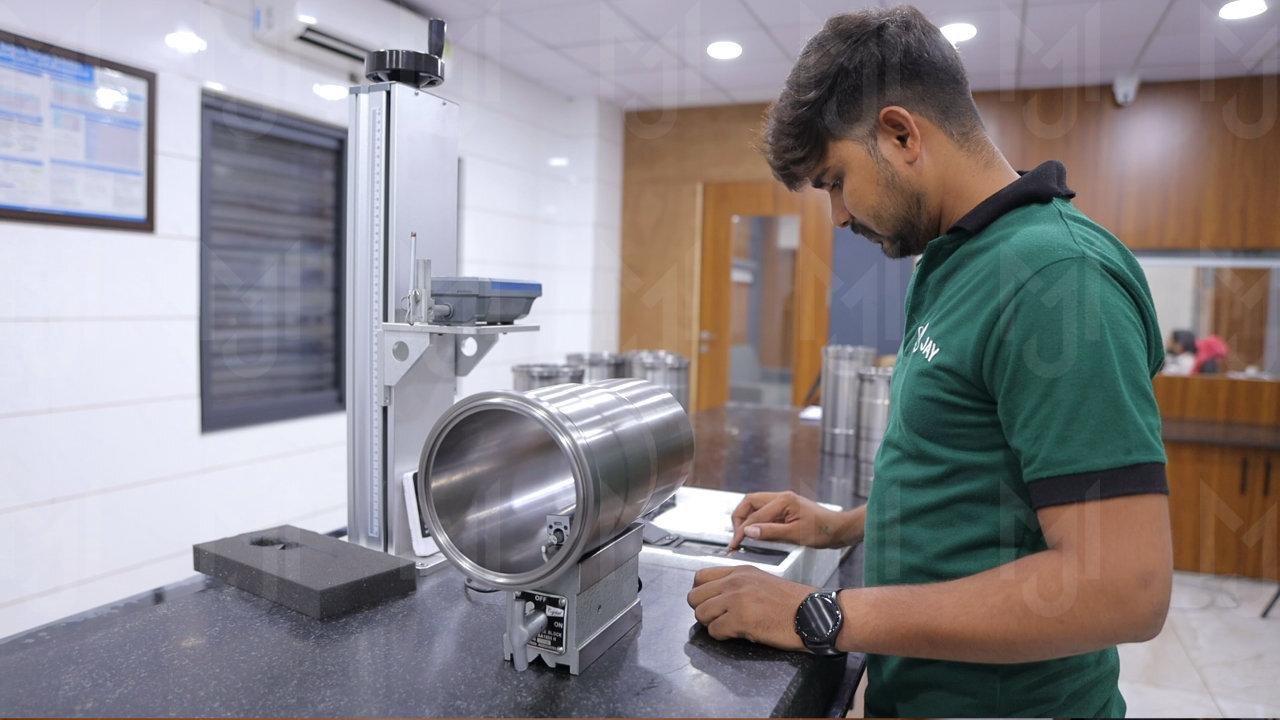
Critical dimensions, geometry, and surface characteristics are verified throughout production to maintain consistency across different cylinder liner and sleeve specifications.
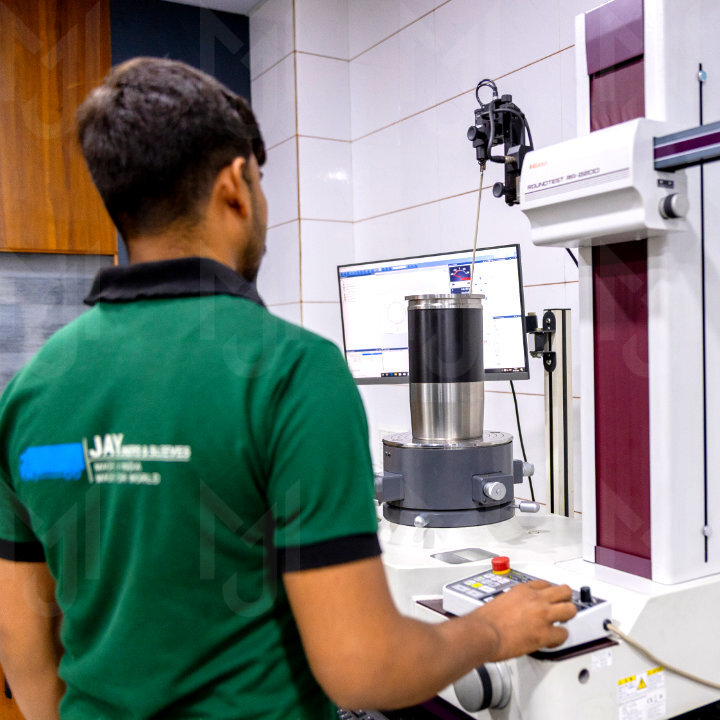
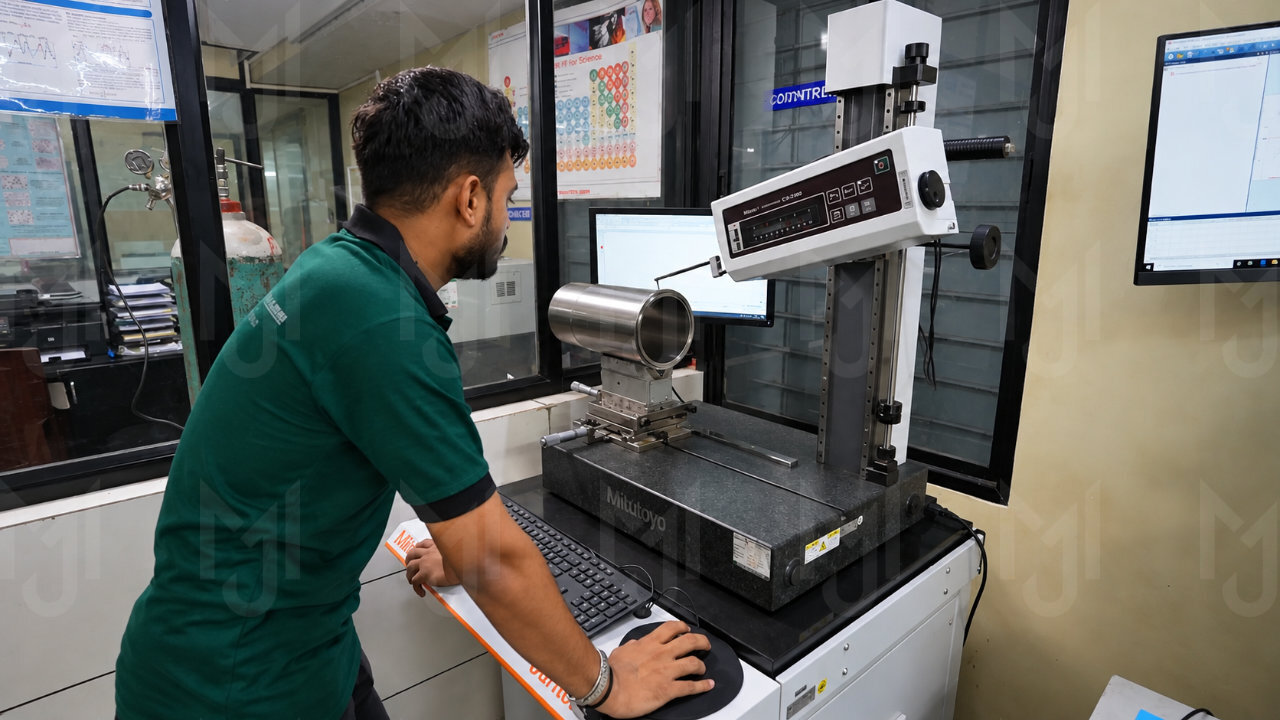
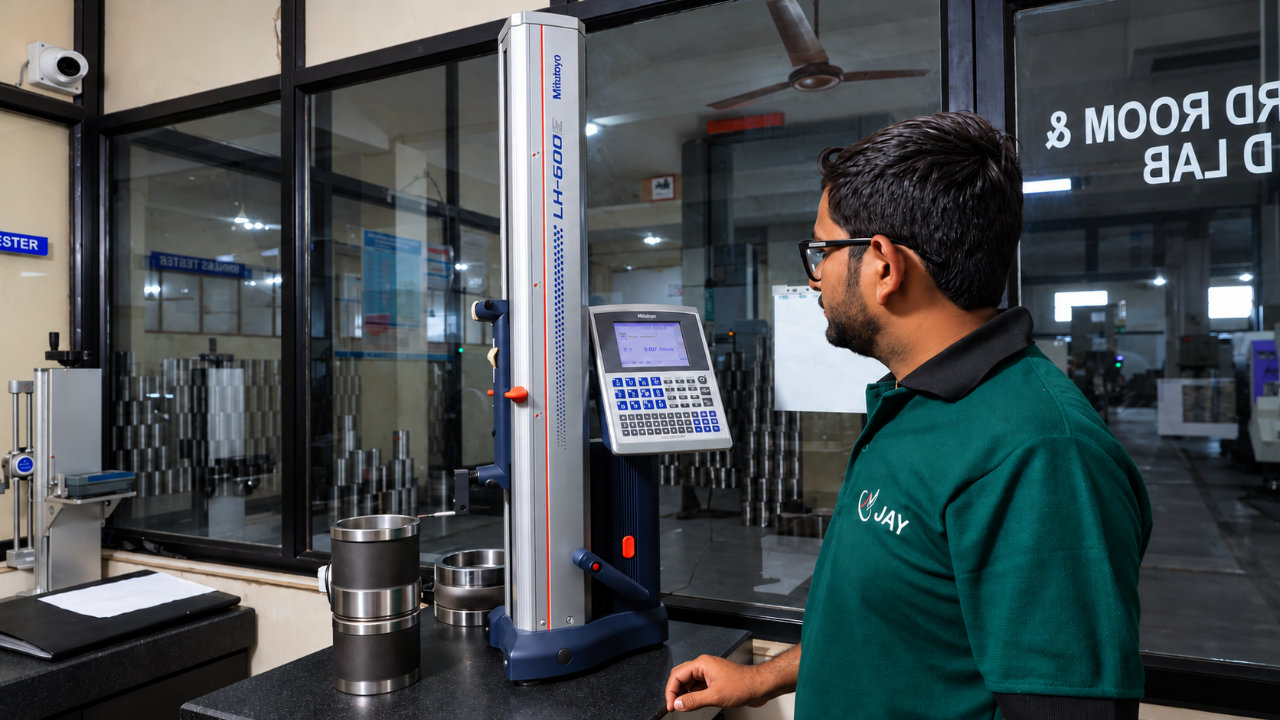
Dimensional accuracy in a cylinder liner depends on more than bore size alone. Critical features such as grooves, radii, angles, height, roundness, cylindricity, concentricity, and surface condition all influence fit and functional performance.
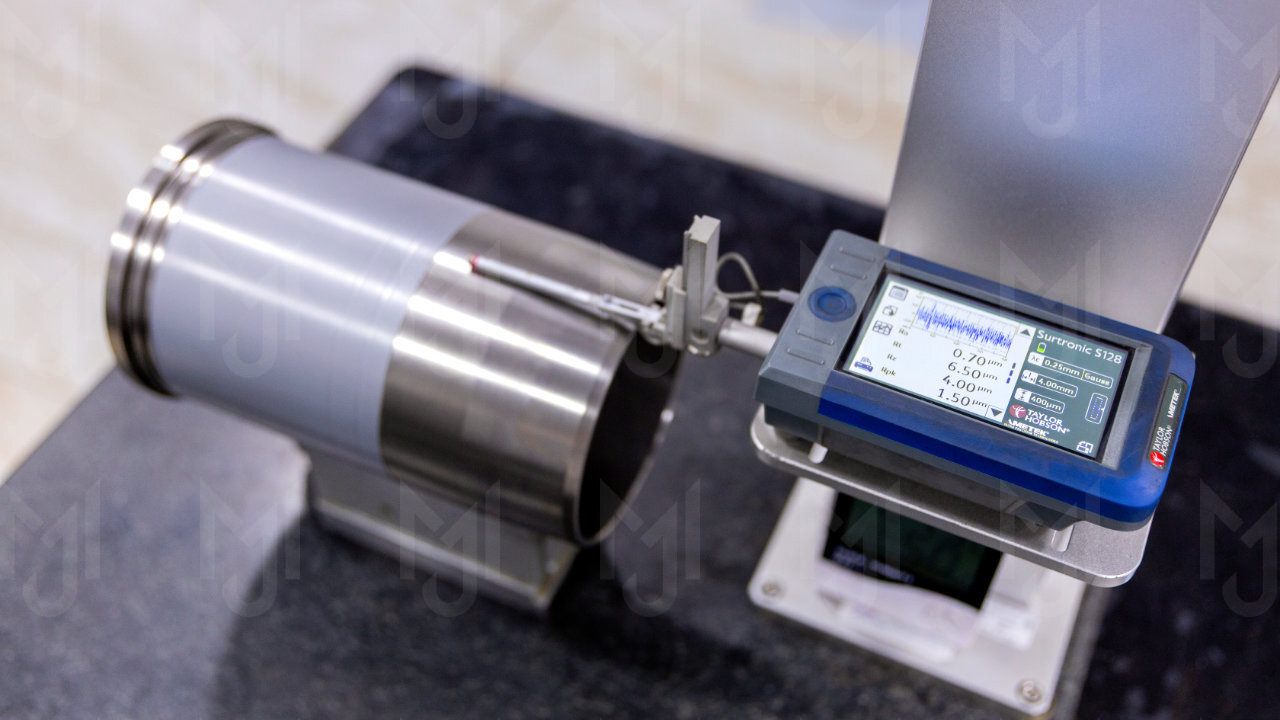
Dedicated inspection equipment, including Mitutoyo measuring systems, is used to verify these characteristics against defined requirements. Surface roughness is monitored during final machining, while roundness and other GD&T parameters are checked to help maintain consistent geometry across production batches.
Inspection is integrated into the manufacturing process rather than treated solely as a final-stage activity. This allows earlier identification of deviations and supports greater repeatability across different liner sizes, profiles, and production volumes.
Supported by quality management systems certified to IATF 16949 and ISO 9001, this disciplined approach helps maintain the consistency and process control expected across demanding aftermarket, private-label, and OEM-oriented requirements.
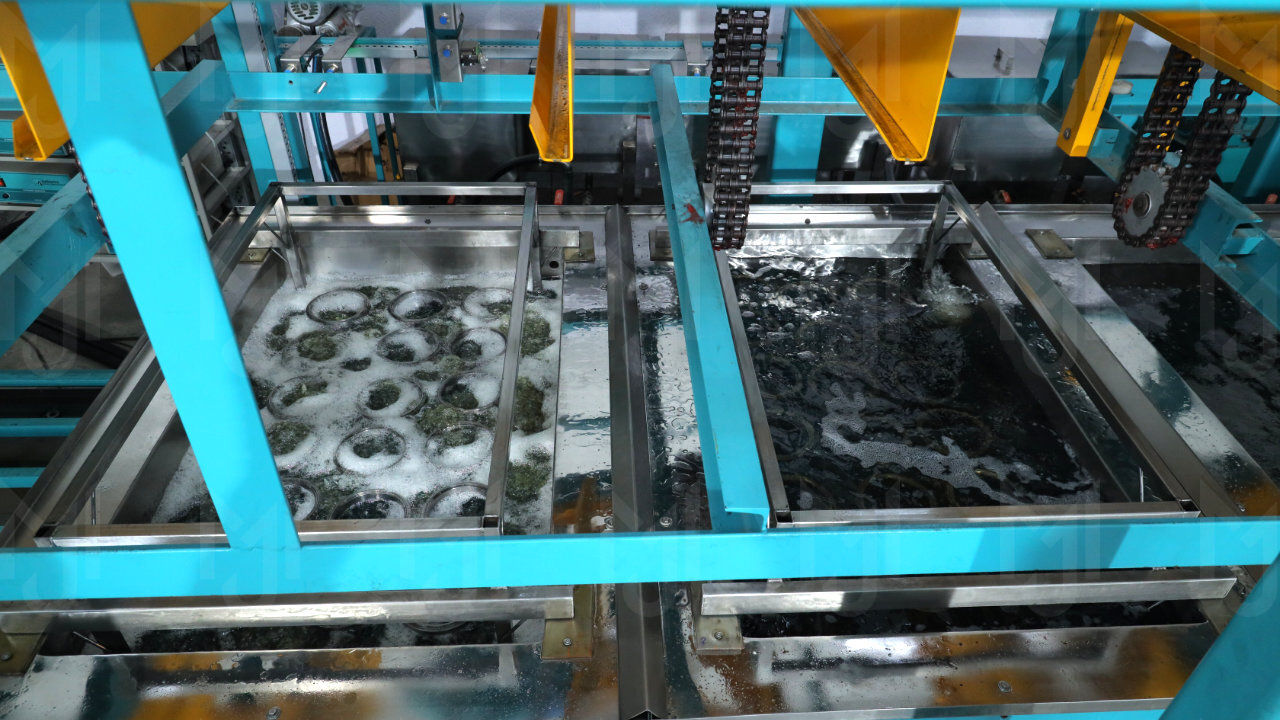
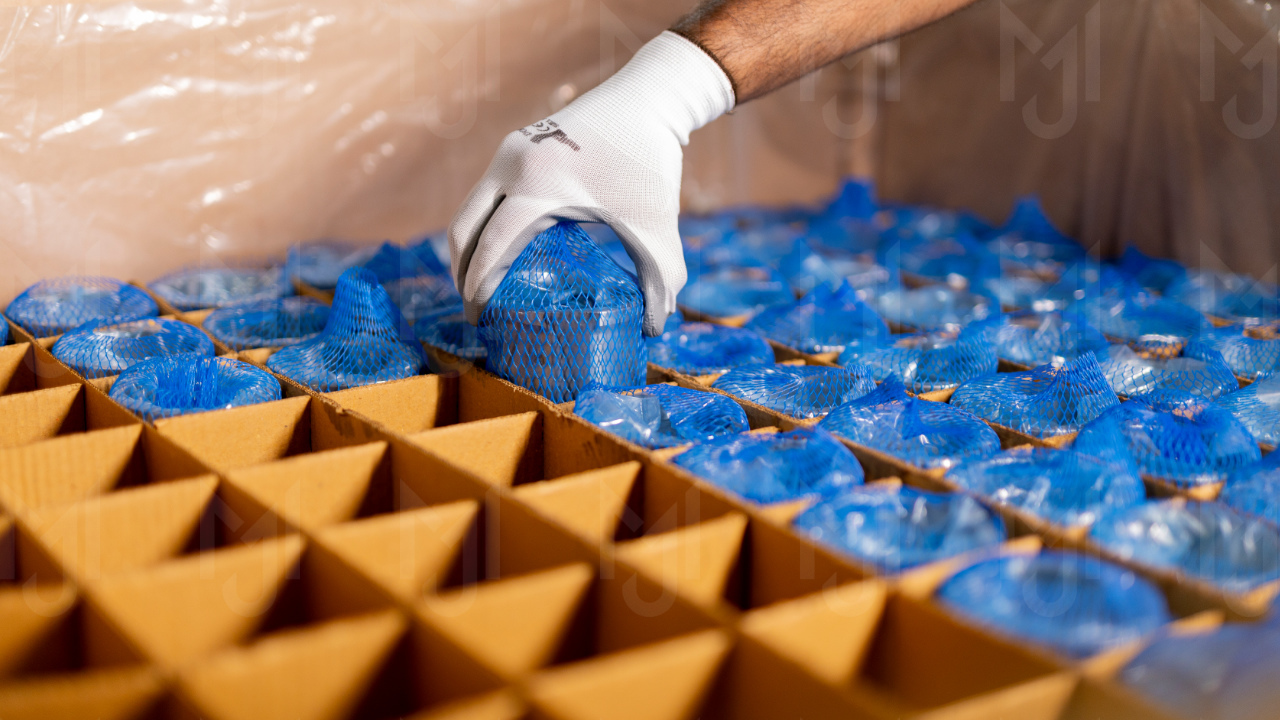
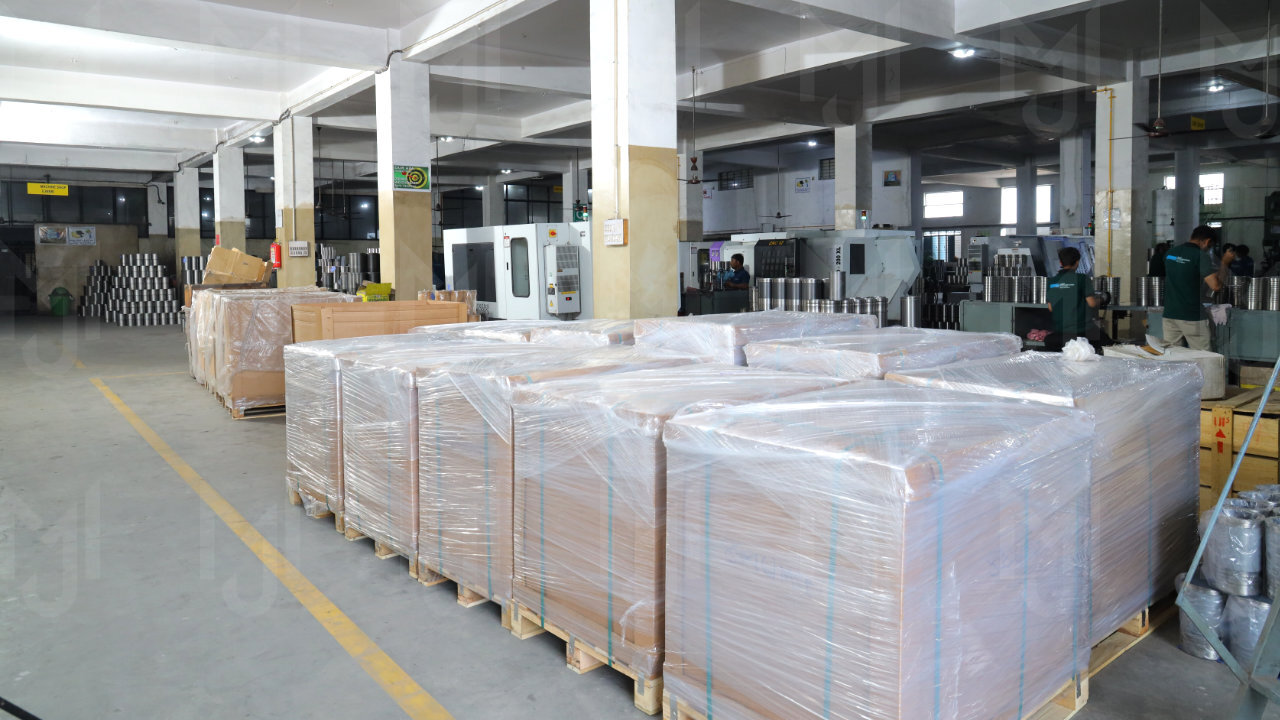
Final cleaning, organised storage, and careful packing help ensure cylinder liners and sleeves are protected and ready for dependable delivery across domestic and export markets.
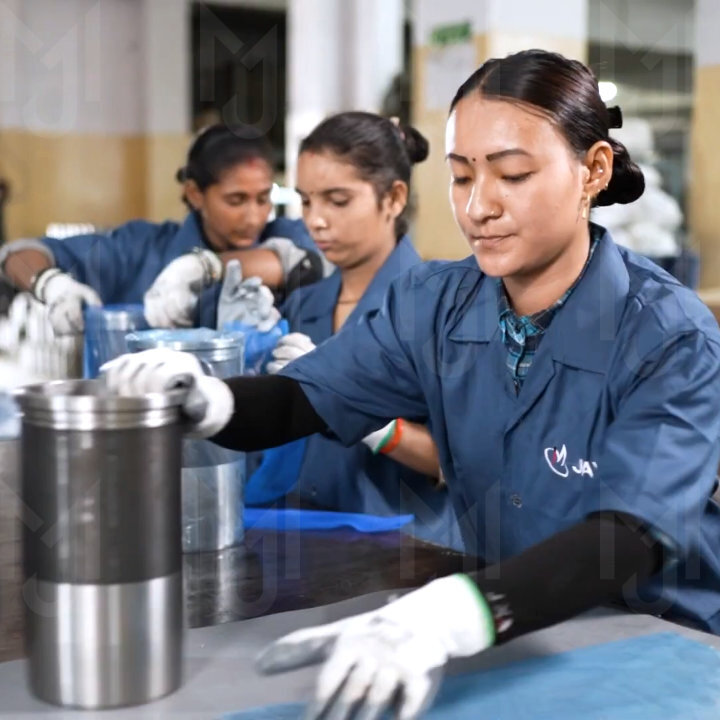
The 18,000 sq. ft. packing area is designed to support the final stages of product preparation with a strong focus on cleanliness, handling, identification, and storage discipline. Automatic ultrasonic cleaning systems help remove residual contaminants before products move into final preparation.
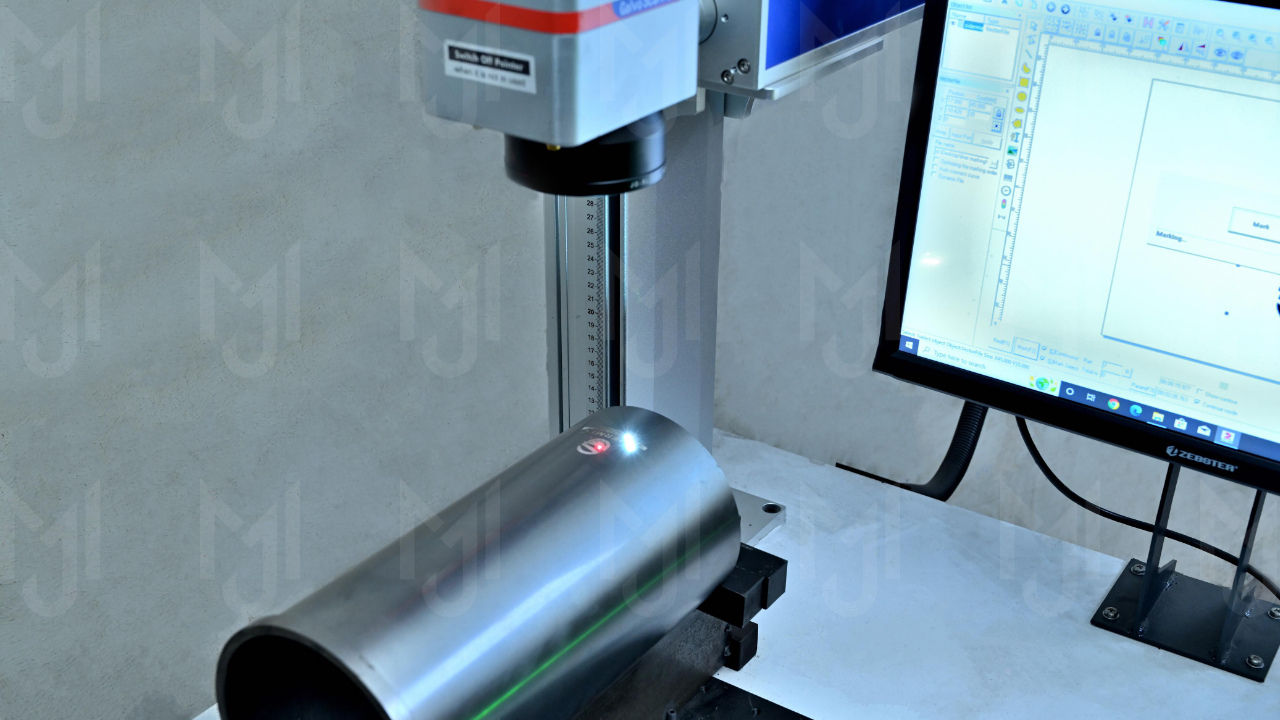
Laser marking is used to apply clear, durable product identification such as part references, batch information, or customer-specific markings where required, supporting traceability and easier identification through distribution and inventory channels.
Finished liners and sleeves are then organised and stored in a controlled manner to reduce handling risks and support efficient order preparation across different product references and shipment sizes.
For export and private-label requirements, packing can be aligned with customer specifications where applicable, helping products reach their destination in suitable condition and ready for onward distribution.