
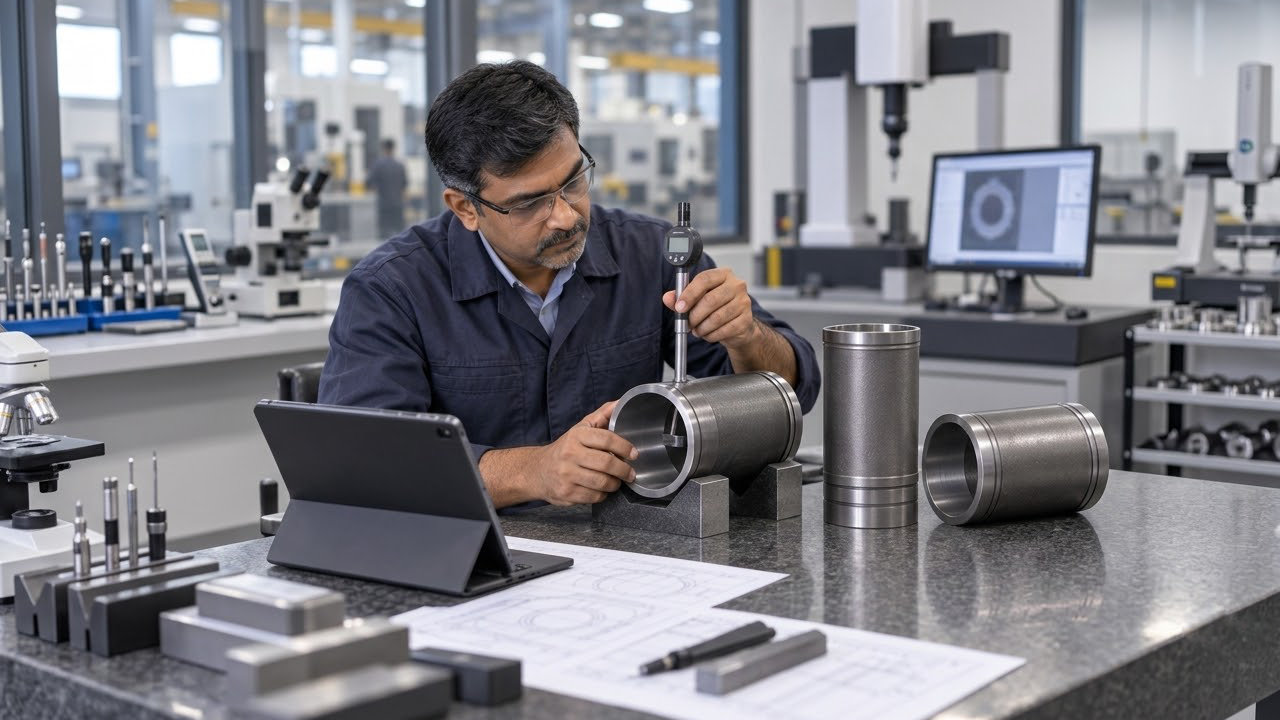
Selecting between custom OEM casting and precision aftermarket replacement components is one of the most critical decisions in engine overhaul and manufacturing workflows. Cylinder liners operate under extreme thermal conditions and relentless mechanical stress. Choosing the wrong liner specification can lead to premature cylinder bore wear, excessive oil consumption, or catastrophic engine failure.
Understanding the metallurgical, dimensional, and economic trade-offs between OEM custom casting and high-grade aftermarket cylinder liners ensures optimal engine performance while keeping lifecycle costs under control.
OEM custom casting involves manufacturing cylinder liners precisely to the original equipment manufacturer’s proprietary drawings, metallurgical specifications, and dimensional tolerances.
High-durability aftermarket liners are engineered to meet or exceed original equipment performance standards while providing flexibility for engine rebuilders, commercial fleet operators, and repair facilities.
When evaluating options for your engine assembly or maintenance program, consider the following technical criteria:
Both OEM custom casting and high-grade aftermarket cylinder liners play essential roles in modern engine building. For new equipment manufacturing and proprietary engine platforms, custom OEM casting guarantees total alignment with original factory blueprints. For maintenance, overhaul, and heavy-duty fleet operations, premium aftermarket liners deliver exceptional wear resistance, flexible sizing, and superior cost-per-kilometer value.
Partnering with an experienced manufacturer certified in IATF 16949 and ISO 9001 ensures that whichever option you choose, your cylinder liners are built to withstand the demands of heavy-duty operation.
Deciding between OEM custom casting and aftermarket replacement components impacts overall engine durability, heat dissipation, and maintenance budgets.
Read The Article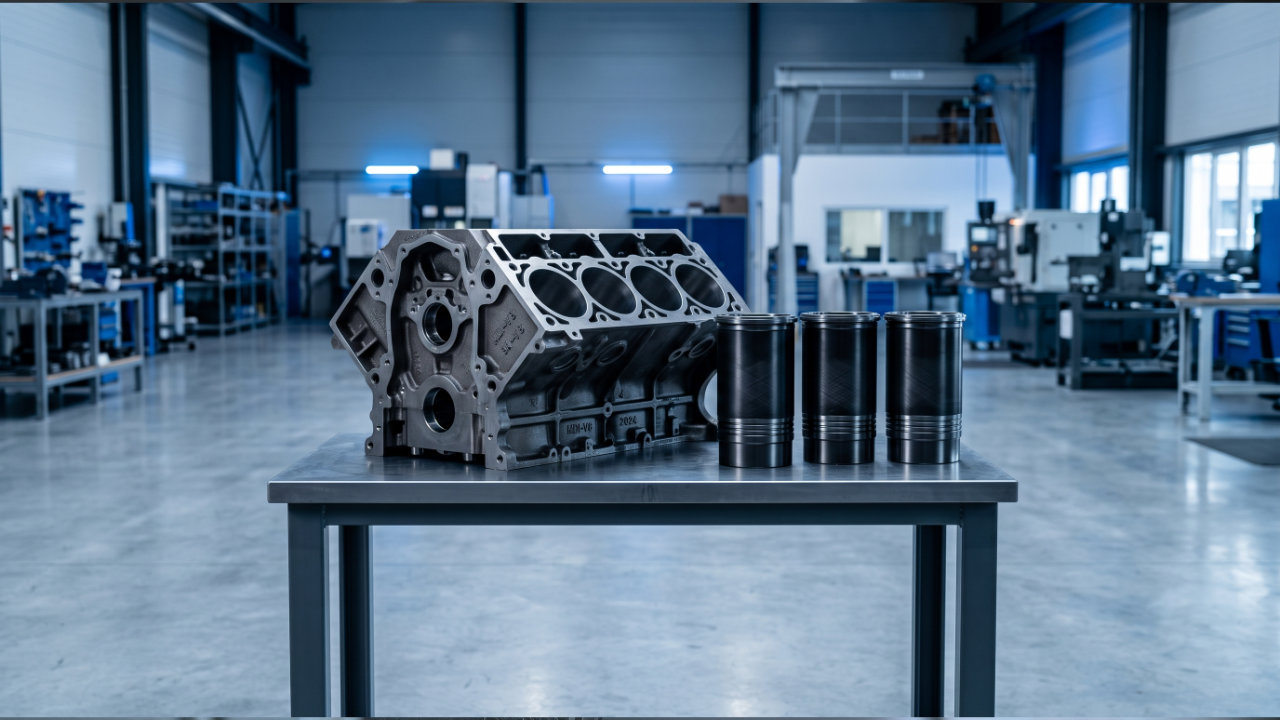
Cylinder liners act as vital protective barriers, shielding engine blocks against extreme thermal expansion, combustion pressures, and continuous piston friction.
Read The Article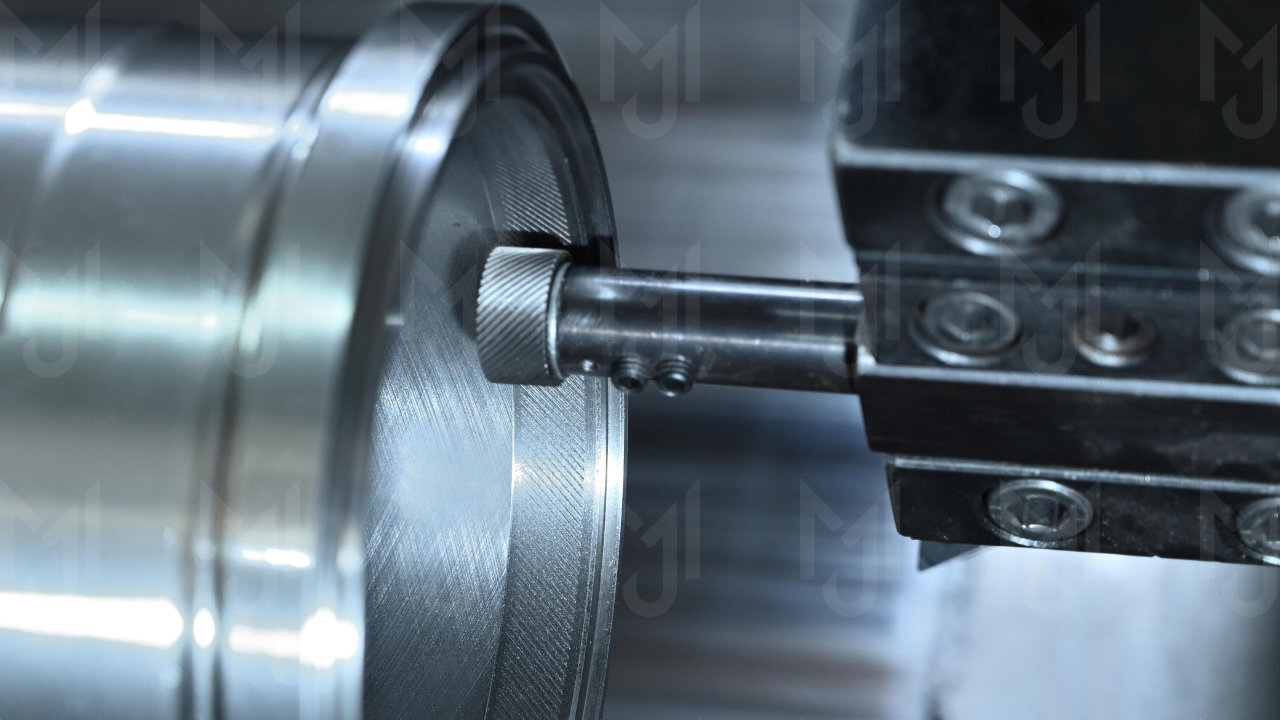
Explore how precise CNC plateau honing patterns minimize ring friction, reduce oil consumption, and extend overall service intervals in commercial engines.
Read The Article